
Planting
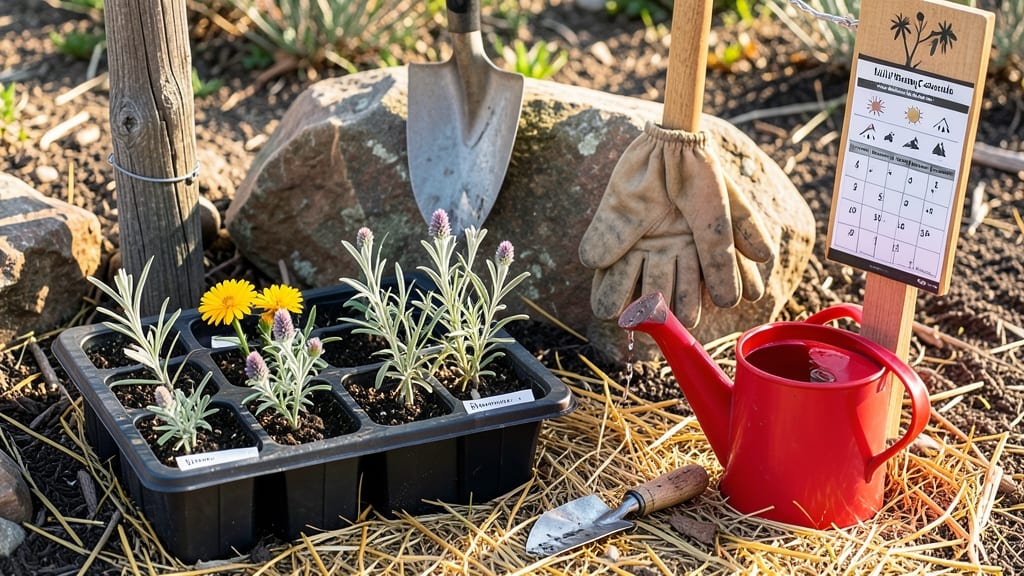
Planting a garden in Utah at the right time means the difference between a thriving harvest and a sad, frost-nipped failure — and the last frost date depends on whether you're in Salt Lake City or St. George.
Utah’s microclimates throw a wrench into most planting guides, so guessing the timing risks stunted growth or wasted seeds. But here’s the good news: with a few simple adjustments, you can align your schedule with Utah’s 120–180 frost-free days and maximize your garden’s potential.
We’ll break down the best planting windows for cool-season crops like spinach (plant in early spring) and warm-season favorites like tomatoes (wait until soil warms in late May). Plus, I’ll share Utah-specific tricks to extend your season, whether you’re dealing with high-desert chill or mountain frost pockets.
By the end, you’ll know exactly when to plant each crop in your zone — and how to grow faster without the guesswork. Let’s get started.
Utah’s frost-free dates by Zone: when to plant cool vs. warm-season crops
Utah’s diverse climate—from the high deserts of southern Utah to the mountain valleys of the north—creates unique planting windows for gardeners. Understanding your USDA Hardiness Zone (5-7) and average last frost dates is key to avoiding frost damage while maximizing your harvest.
In Zone 5a (northern Utah), the last frost typically arrives around May 10, while Zone 7a (southern Utah) sees frost-free conditions by March 15.
These differences mean cool-season crops like spinach and peas can go in earlier in the south, while warm-season favorites like tomatoes need to wait until after the last frost in the north.
For high-desert regions (e.g., St. George), nighttime temperatures can drop 20°F faster than in valleys, so always check local microclimate conditions. Mountain areas like Park City (Zone 5) may have 30-45 days later frost dates than Salt Lake City (Zone 6).
Use these guidelines to align your planting with Utah’s frost-free growing season, which typically spans 120-180 days depending on elevation.
| Zone & Location | Avg. Last Frost | Cool-Season Planting Window | Warm-Season Planting Window | Key Adjustments |
|---|---|---|---|---|
| Zone 5a (Northern Utah: Logan, Park City) | May 10 | March 15–April 15 | May 20–June 10 | Use row covers for early spinach/peas; wait for soil to warm to 50°F. |
| Zone 6a (Salt Lake City, Provo) | April 15 | February 20–March 30 | April 25–May 15 | Cold frames extend cool-season crops; tomatoes thrive with black plastic mulch. |
| Zone 7a (Southern Utah: St. George, Cedar City) | March 15 | January 15–February 15 | March 1–March 20 | Shade cloth protects peppers from intense sun; irrigate morning/evening. |
| High Desert (e.g., Moab, Duchesne) | April 20 (varies) | March 1–March 20 | May 1–May 10 | Windbreaks essential; drip irrigation saves water and prevents soil crusting. |
Cool-season crops like spinach, peas, and lettuce thrive in Utah’s cooler months. Plant them 4-6 weeks before your last frost date for a spring harvest. In Zone 7a, you can even sow broccoli in fall for a winter crop.
For warm-season crops such as tomatoes, peppers, and beans, wait until soil temperatures reach 60°F+—typically 2-4 weeks after the last frost. In northern Utah, this may mean waiting until late May.
High-altitude gardens (e.g., Ogden, Park City) face shorter growing seasons and cooler soils. Use black plastic mulch or straw bales to warm the soil faster.
For southern Utah’s extreme heat (e.g., St. George), focus on heat-tolerant varieties like okra or sweet potatoes and provide afternoon shade for delicate crops.
Pro tip: Monitor Utah State University Extension’s frost maps for real-time updates, as frost dates can shift ±7 days yearly. For fall planting, aim to sow cool-season crops like kale or radishes by August 1 in northern Utah and September 1 in the south.
This ensures they mature before the first frost.
Adjust your schedule if you’re in a frost pocket—low-lying areas where cold air settles. These spots can experience frost 2-3 weeks later than surrounding regions. Use a minimum-maximum thermometer to track nighttime temperatures and protect tender plants with frost cloth if needed.
For container gardening in Utah, containers warm up faster than in-ground soil, so you can plant warm-season crops 1-2 weeks earlier. However, containers also dry out quickly in Utah’s low humidity, so water consistently and use moisture-retentive soil mixes. Choose compact varieties like
How to extend your Utah growing season: tips for early planting and late harvests
Utah’s short growing season and unpredictable frost can leave gardeners feeling frustrated, but with the right strategies, you can push your harvests well beyond the traditional windows. I’ve learned that early starts and late-season protection are game-changers for Utah’s high-desert climate.
Whether you’re dealing with late spring frosts in the mountains or early fall chills in the valleys, these tactics will help you grow more food year-round.
One of my favorite tricks is using row covers to shield tender seedlings from nighttime cold snaps. These lightweight fabrics trap heat during the day and release it slowly, creating a microclimate that can extend your planting window by 2-4 weeks.
For example, I’ve successfully planted spinach and peas in early March under row covers, giving me a head start before the last frost. In high-elevation areas like Park City, this can mean the difference between a bountiful harvest and a failed crop.
Another technique I swear by is succession planting. Instead of planting everything at once, I stagger my plantings every 2-3 weeks for crops like lettuce, radishes, and beans. This ensures a steady supply of fresh produce and maximizes your garden’s potential.
For example, in my Salt Lake City garden, I plant a new row of radishes every 10 days from late April through June. By the time the first batch is ready, the next is just beginning to sprout, creating a non-stop harvest.
For late-season extensions, I rely on cold frames and low tunnels. These simple structures can add 4-8 weeks to your growing season by trapping heat. I’ve kept kale and spinach growing well into December in my cold frame, even when temperatures drop below freezing at night.
The key is to ventilate during the day to prevent overheating and remove excess moisture to avoid fungal diseases. In southern Utah, where winters are milder, this can mean harvesting greens and root vegetables well into the new year.
Don’t overlook the power of microclimates in Utah. A south-facing wall or protected corner can create a warmer spot where you can plant earlier or harvest later. I’ve noticed that areas near stone walls or buildings stay 5-10°F warmer than open garden beds.
Use these spots for heat-loving crops like tomatoes and peppers in early spring or cool-season crops in late fall. Even a simple windbreak made of burlap or evergreen boughs can shield delicate plants from Utah’s chilly mountain breezes.
Finally, pay attention to your soil temperature. Many seeds won’t germinate until the soil reaches 50°F (10°C) for cool-season crops or 60°F (16°C) for warm-season varieties. I use a soil thermometer to track temperatures and avoid planting too early.
In my experience, waiting an extra week for the right conditions prevents rotten seeds and stunted seedlings, saving me time and frustration in the long run. With these strategies, you’ll be well on your way to a longer, more productive Utah growing season.