
Planting
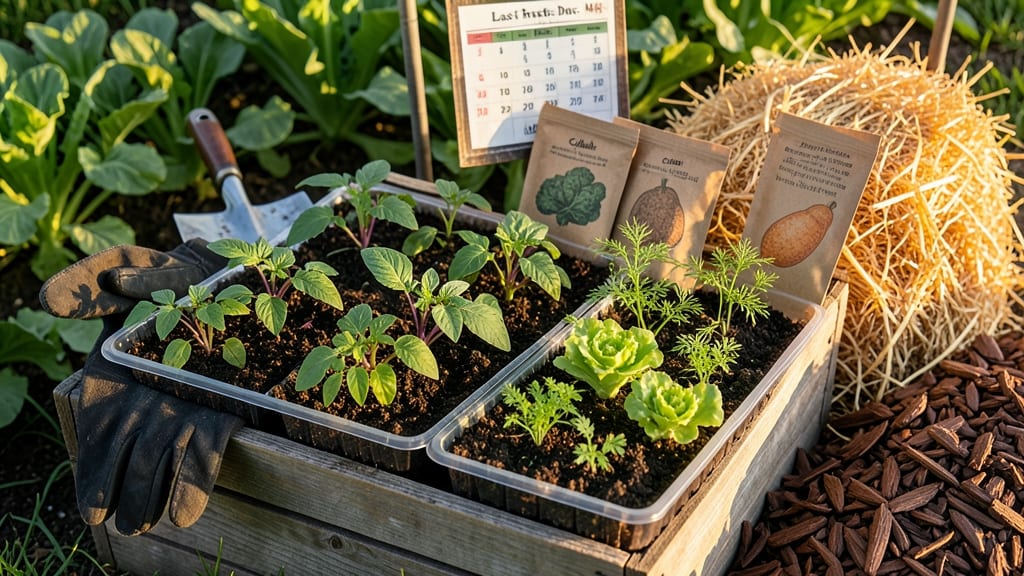
Planting a vegetable garden in North Carolina at the right time means the difference between a bumper crop and a sad, frost-nipped disappointment.
North Carolina’s varied climate means your vegetable garden’s success hinges on timing—plant too early and frost will strike, too late and you’ll miss peak harvests. Mastering NC’s last-frost dates by crop type is your secret weapon for a thriving garden.
From the mountains to the coast, the optimal planting window shifts by two to four weeks, depending on whether you’re growing heat-loving tomatoes or cold-hardy kale. The key is knowing your USDA zone (5a–8a) and adjusting for microclimates like the Piedmont’s mild winters or the coast’s delayed springs.
Below, I break down exact planting months for cool-season and warm-season vegetables, soil prep tips to speed up growth, and how to handle NC’s unpredictable weather—so you can start seeds indoors, direct-sow at the perfect moment, and enjoy a garden that rewards your timing.
NC last-frost dates by region: critical timing for planting vegetables
North Carolina spans 10 USDA hardiness zones (5a-8a), creating dramatic differences in frost timing from the Cool Mountain regions to the Warm Coastal Plain. The Piedmont acts as a transitional zone where you’ll find the state’s most varied planting windows.
Knowing your exact last-frost date prevents frost damage to tender seedlings while ensuring you don’t miss the optimal planting window for heat-loving crops.
For cool-season vegetables like lettuce and peas, you can start seeds 4-6 weeks before your average last frost—often as early as February in Zone 8a (Coastal).
Meanwhile, warm-season crops like tomatoes and peppers need to wait until 2 weeks after your last frost, which can be as late as mid-April in the Mountains. The key is adjusting for microclimates: valleys freeze earlier than hilltops, and urban areas may stay warmer.
Here’s how NC’s regions break down for last-frost dates and planting windows, with adjustments for early starters and late bloomers:
| USDA Zone | Region | Avg. Last Frost | Cool-Season Planting Window | Warm-Season Planting Window | Heat-Tolerant Alternatives |
|---|---|---|---|---|---|
| 5a-5b | Mountains (Asheville, Boone) | April 15–20 | March 1–15 (cold frames) | May 1–10 (after soil warms) | Okra, Southern Peas |
| 6a-6b | Piedmont (Raleigh, Greensboro) | March 25–April 5 | February 15–March 1 | April 15–25 | Sweet Potatoes, Malabar Spinach |
| 7a-7b | Central NC (Durham, Chapel Hill) | March 15–25 | February 1–15 | April 1–15 | Black-Eyed Peas, Cowpeas |
| 8a | Coastal Plain (Wilmington, Fayetteville) | February 28–March 10 | January 15–February 1 | March 15–April 1 | Sweet Corn, Yard-Long Beans |
In the Mountains (Zones 5a-6b), where frosts linger until mid-April, focus on cold-hardy crops like kale and broccoli for early harvests. Use row covers to extend the season for lettuce and spinach.
For warm-season crops, opt for fast-maturing varieties like ‘Early Girl’ tomatoes (55 days) or ‘Jalapeño M’ peppers (60 days) to beat the heat.
The Piedmont (Zones 6a-7b) offers the broadest planting flexibility. Here, you can direct-sow peas in February and transplant tomato seedlings in April. For late starters, succession plant heat-lovers like okra every 2 weeks until July 1.
The Coastal Plain (Zone 8a) is the earliest to plant—start sweet potatoes in February and transplant peppers by March 15—but watch for humidity-related diseases like early blight.
Microclimates can shift your last-frost date by 2-3 weeks. A south-facing slope warms faster than a north-facing valley, while urban heat islands (like Raleigh) may see 10°F warmer soil temps than rural areas.
Use a soil thermometer to confirm 50°F+ soil for warm-season crops—critical for tomato and pepper roots.
For late frost risks, have backup seeds ready. If frost threatens after April 15 in the Piedmont, cover tender seedlings with frost cloth or move pots indoors.
In the Coastal Plain, where frosts are rare after March 10, prioritize early-maturing varieties like ‘Cherry Tomato’ (45 days) to maximize harvests before summer heat peaks.
Pro tip: Plant a mix of cool- and warm-season crops to stagger harvests. Start bush beans in May (after soil warms) and succession plant every 2 weeks until July 1 for continuous yields. Pair them with late-summer greens like
Best planting schedule for NC vegetables: cool-season vs warm-season crops
North Carolina’s diverse microclimates create perfect conditions for both cool-season and warm-season crops, but timing is everything. Cool-season vegetables like kale and carrots thrive in early spring and fall, while heat-lovers such as tomatoes and peppers need warm soil and consistent heat.
Let’s break down the best planting windows for NC’s most popular vegetables to maximize your harvest.
For cool-season crops, start seeds indoors 6-8 weeks before your average last frost date (typically mid-March in the Piedmont and late February along the coast).
Direct sow hardy greens like spinach and lettuce as soon as soil is workable, usually by February in warmer zones and March in higher elevations. Root vegetables such as beets and radishes can handle light frosts, making them ideal for early spring plantings.
- 🌱 Cool-Season Crops (Feb-Mar & Sep-Oct): Plant leafy greens, broccoli, cauliflower, carrots, and peas 4-6 weeks before last frost. Use row covers for frost protection.
- 🌿 Warm-Season Crops (Apr-May & Jul-Aug): Wait until soil reaches 60°F+ for tomatoes, peppers, and squash. Start seeds indoors in March for earlier harvests.
- 🌻 Succession Planting (Mar-Oct): Sow bush beans, radishes, and lettuce every 2-3 weeks for continuous harvests. Replace bolted greens with heat-tolerant varieties like Swiss chard in summer.
- 🍅 Heat-Tolerant Varieties (May-Jun): Choose cherry tomatoes, jalapeños, and okra for late-season plantings. These thrive in 90°F+ temperatures when other crops struggle.
- 🥬 Fall Harvest Extenders (Aug-Sep): Plant cabbage, kale, and turnips in late summer for winter harvests. Use black plastic mulch to warm soil and speed up growth.
Warm-season vegetables like tomatoes and peppers are the stars of NC’s summer garden, but they demand patience. Begin seeds indoors in March and transplant after the last frost date (usually mid-April in the Piedmont).
For heat-tolerant varieties, opt for ‘Celebrity’ tomatoes or ‘Carolina Wonder’ peppers, which handle NC’s humid summers better than standard varieties.
Don’t overlook succession planting—this technique ensures a steady supply of fresh produce. For example, sow bush beans every 2 weeks from April to July to avoid a single overwhelming harvest.
Similarly, radishes mature in just 30 days, making them perfect for quick turnover plantings between slower-growing crops like cabbage or broccoli.
Fall is another golden opportunity for NC gardeners. Plant cool-season crops like kale and spinach in late August for harvests before the first frost (typically mid-November in the Piedmont).
Use row covers to extend the season and protect tender greens from light frosts. Garlic and onions can even be planted in October for next year’s harvest!
Pro tip: Always check your local last-frost dates—they vary by USDA zone (NC spans 5a-8a) and elevation. Mountain regions like Asheville (Zone 7a) have later frost dates than coastal areas like Wilmington (Zone 8a). Adjust your schedule accordingly to avoid frost damage or bolting in heat-sensitive crops.