
Planting
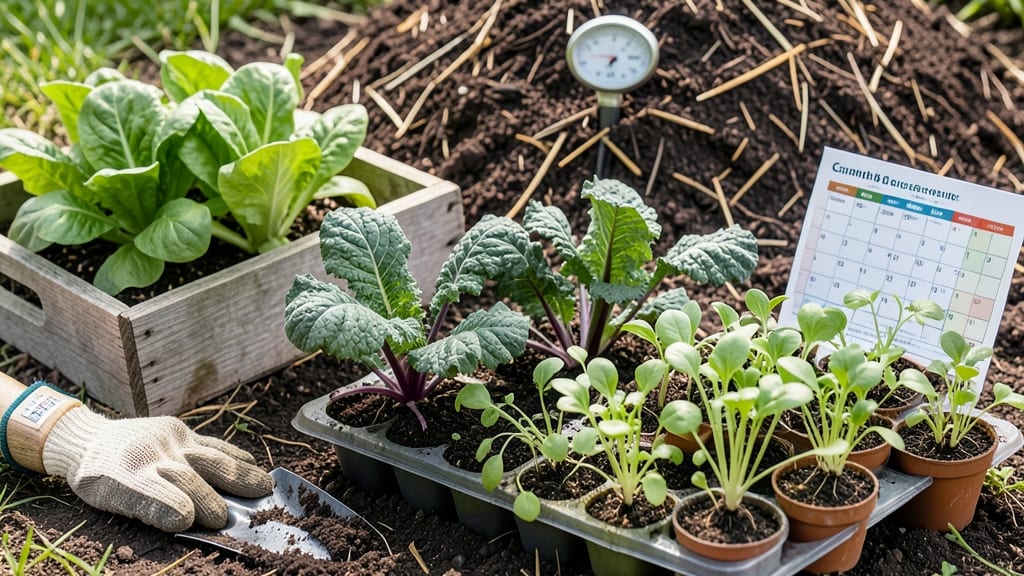
Planting a vegetable garden in New Brunswick at the right time means the difference between a thriving harvest and lost seeds to frost.
Timing your vegetable garden in New Brunswick’s unpredictable climate can mean the difference between a bountiful harvest and wasted seeds—knowing the frost-free window for each crop is your secret weapon.
With USDA Zones 5-6 and coastal microclimates, the window is tight, and missing it means watching your seedlings shrivel under late frosts.
Whether you’re starting seeds indoors in March or sowing directly in May, the key is matching each vegetable to its ideal planting window.
Cool-season crops like peas and lettuce can handle early spring, while heat-lovers like tomatoes and zucchini need to wait until after the last frost—usually late May to early June in most regions.
In this guide, I’ll break down the exact planting schedule by crop, share tricks to extend your season without a greenhouse, and help you avoid the most common mistakes New Brunswick gardeners make. Ready to grow?
New Brunswick’s frost-free dates by region: when to start planting vegetables
New Brunswick’s frost-free dates vary dramatically by region, making precise timing critical for a successful vegetable garden. Whether you're in Fredericton’s inland valleys, Saint John’s coastal warmth, or Moncton’s transitional climate, understanding your last frost averages ensures you plant at the right moment.
The province spans USDA Zones 5-6, with microclimates that can shift planting windows by weeks.
Coastal areas like Saint John often enjoy 10-14 days earlier frost-free dates than inland Fredericton, while Moncton falls somewhere in between. Warm-season crops like tomatoes and peppers need all the time they can get, so knowing your region’s historical frost patterns helps you avoid late-season setbacks.
Let’s break down when to start planting based on New Brunswick’s most common growing zones.
Here’s a quick reference for your region’s average last frost dates and ideal planting windows:
| Region | Avg. Last Frost | First Planting (Cool-Season) | Transplant Warm-Season | Direct Sow Warm-Season |
|---|---|---|---|---|
| Fredericton (Inland) | May 15 | April 1 - April 15 | May 20 - June 1 | June 10 - June 20 |
| Saint John (Coastal) | May 5 | March 20 - April 1 | May 1 - May 10 | May 25 - June 5 |
| Moncton (Transitional) | May 10 | April 5 - April 15 | May 10 - May 20 | May 30 - June 10 |
| Fundy Coastal | April 25 | March 15 - March 30 | April 20 - April 30 | May 15 - May 25 |
For cool-season crops like peas, lettuce, and spinach, you can start planting as early as March in coastal areas, but wait until April in Fredericton to avoid frost damage. These hardy vegetables tolerate light frosts and can even thrive in cooler temperatures, making them ideal for early-season planting.
Warm-season crops such as tomatoes, peppers, and cucumbers require all the heat they can get, so transplanting seedlings after your region’s last frost date is critical. In Fredericton, this typically means waiting until late May, while coastal gardeners can start transplanting by early May.
Direct sowing warm-season crops should wait until soil temperatures reach at least 10°C (50°F), usually around mid-June inland.
New Brunswick’s first frost dates also vary by region, with inland areas seeing frost as early as September 20 in Fredericton, while coastal Saint John often holds off until October 10.
This means your harvest window for warm-season crops is shorter inland, so choose fast-maturing varieties or use row covers to extend the season.
Microclimates play a huge role in New Brunswick’s gardening success. A south-facing slope in Fredericton might warm up faster than a low-lying valley, allowing you to plant warm-season crops a week or two earlier.
Similarly, urban areas with concrete and pavement can experience heat islands, making them slightly warmer than rural spots. Always observe your own microclimate for at least 3 years to refine your planting schedule.
If you’re unsure about your exact last frost date, use frost-sensitive plants like basil or tomatoes as a test. Plant a few seedlings early and cover them with frost cloth if nighttime temperatures dip below 5°C (41°F). This gives you real-time data on your garden’s readiness for warm-season planting.
Remember, succession planting is your best friend in New Brunswick’s short growing season. By staggering plantings every 2-3 weeks, you can extend harvests and maximize your garden’s productivity. For example, plant lettuce every 10 days from April through July to enjoy fresh greens all summer long.
With these regional frost-free dates in hand, you’re ready to plan a vegetable garden that thrives in New Brunswick’s unique climate.
Keep track of your own garden’s patterns year after year, and don’t hesitate to experiment with season-extending tools like cold frames or row covers to push your planting windows even further.
Best vegetables to plant in New Brunswick’s short growing season (with exact timing)
New Brunswick’s short growing season (typically 120-150 frost-free days) demands careful planning. The key is selecting fast-maturing varieties and timing plantings to maximize your harvest window. Warm-season crops like tomatoes and zucchini need to be started early indoors, while cool-season crops like peas and lettuce can handle cooler temperatures.
Let’s break down the best options and their precise planting schedules.
For heat-loving vegetables, begin indoor seed starting in early March. This gives seedlings a head start before the last frost (usually mid-May in most regions). Harden off seedlings in late April, then transplant outdoors after soil temperatures reach 55°F (13°C).
Cool-season crops, on the other hand, can be direct-sown as soon as the soil is workable—often 2-3 weeks before the last frost.
Here’s your crop-by-crop planting timeline for New Brunswick’s climate:
For coastal areas (e.g., Saint John), expect slightly earlier last frosts (mid-April), while inland regions like Fredericton may see frosts until late May.
Adjust your planting dates accordingly. Always monitor soil temperatures—warm-season crops need 60°F (15°C) minimum to thrive. Use a soil thermometer to avoid false starts.
Pro tip: Succession planting is your best friend in New Brunswick. For example, sow bush beans every 3 weeks from mid-May to early July to ensure a continuous harvest.
This technique maximizes your short growing season and reduces waste. Pair fast growers like radishes with slower crops like carrots to optimize space.
Don’t forget to mulch heavily in late summer to preserve soil warmth and extend the season for late crops like kale or spinach. With the right timing and varieties, you can enjoy fresh vegetables from June through October—even in New Brunswick’s cooler climate! 🌱