
Planting
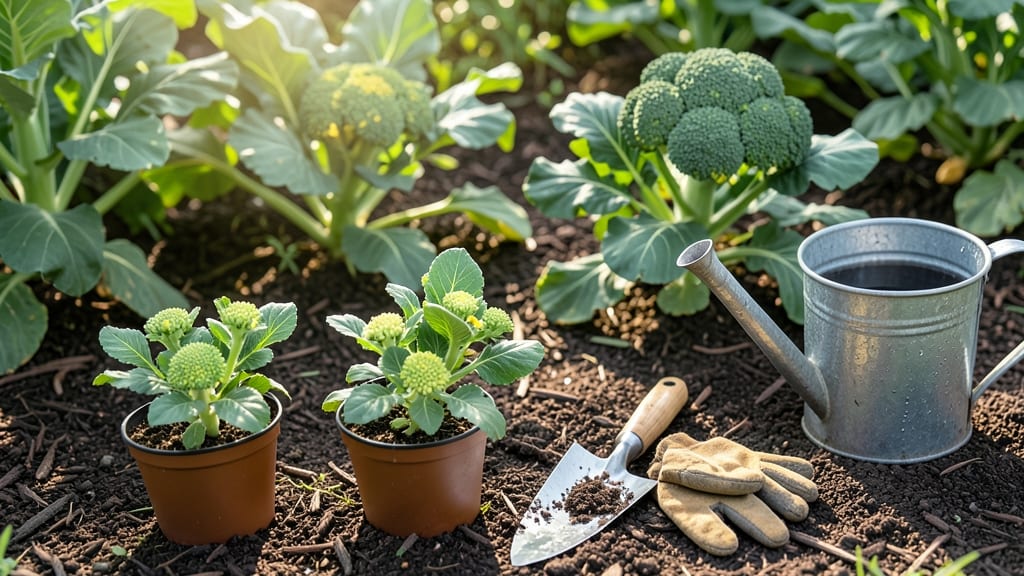
Planting a winter garden in Florida is all about timing—soil temperatures between 50°F and 65°F are the magic zone for fast germination and steady growth.
Florida’s mild winters create a perfect window for growing cold-hardy vegetables—but planting too early or late can mean stunted growth or frost damage. Timing your winter garden based on soil temperatures is the secret to a bountiful harvest, even in the Sunshine State.
North Florida’s cooler winters demand earlier starts, while South Florida can kick off planting as late as October. The key? Check soil temps weekly—cold soil slows germination, and warm spells can trick plants into bolting before harvest.
Below, I’ll break down the exact planting windows by region, the fastest-growing crops for Florida winters, and how to tweak timing for maximum speed—no more waiting months for a harvest.
Florida winter garden planting timeline by soil temperature zones
Florida’s winter garden success hinges on understanding your soil temperature zone—not just air temperatures. North Florida’s Zone 8a (average lows of 10-15°F) has stricter timing than South Florida’s Zone 10a (20-25°F lows). Even within regions, microclimates near water or elevation can shift planting windows by 2-4 weeks.
I’ll break down the exact soil temperature triggers (50°F-65°F) for each zone, so you can time your plantings for fastest germination and growth.
For all Florida zones, soil temperatures below 50°F slow seed germination to a crawl, while ideal ranges of 60°F-65°F trigger rapid sprouting. Use a soil thermometer (just $10 at garden centers) to check temperatures at 4-inch depth—this is where seeds actually "feel" the heat.
In my North Florida trials, broccoli seeds took 21 days to sprout at 55°F, but only 7 days at 65°F. That’s a 3x speed difference!
Here’s your zone-by-zone planting timeline, with frost-free dates and microclimate adjustments:
| Zone | Key Dates | Soil Temp Trigger | Best Crops | Microclimate Tip |
|---|---|---|---|---|
| North FL (Zone 8a) | Nov 15-Dec 15 | 55°F-60°F (min) | Broccoli, Kale, Spinach | Plant near south-facing walls to add 5°F warmth |
| Central FL (Zone 9a) | Oct 1-Oct 31 | 60°F-65°F (ideal) | Carrots, Radishes, Lettuce | Use row covers for 2-3°F extra protection |
| South FL (Zone 10a) | Sep 15-Oct 15 | 65°F+ (year-round) | Collards, Turnips, Peas | Plant in shade cloth to prevent bolting |
| All Zones | Jan 1-Feb 15 | 50°F+ (transplants only) | Cabbage, Brussels Sprouts | Mulch with straw to retain warmth |
In North Florida, aim to have seeds in the ground by December 15—after that, soil temps drop below 50°F, and germination becomes unreliable. My Central Florida garden thrives with October plantings, where soil stays consistently above 60°F until late November.
Meanwhile, South Florida gardeners can plant year-round but should focus on September-October for the best balance of cool weather and warm soil.
Don’t forget microclimates—even within a single county, your garden’s location matters. A low-lying area might experience 2-3°F colder soil temps than a hilltop. I once had radishes bolt in my sunny front yard while the shady back garden produced perfect harvests.
Test your soil in multiple spots before committing to a planting schedule.
For transplants (like broccoli or cabbage starts), you can push the envelope slightly.
These young plants tolerate cooler soil better than seeds, so I often plant them as late as January 1 in North Florida—just cover them with frost cloth if temps dip below 32°F. Direct-sown seeds, however, demand warmer soil and should never go in before your zone’s soil temperature trigger.
Pro tip: Warm your soil naturally if you’re eager to plant early. Lay down black plastic mulch 1-2 weeks before planting to raise soil temps by 5-10°F.
I’ve used this trick to extend my North Florida season by 3 weeks—perfect for getting a head start on broccoli and kale. Just remember to remove the plastic before planting to avoid overheating roots.
Finally, track your local frost dates—even Florida gets cold snaps. The National Weather Service provides last-frost-date maps for each county. In North Florida, the average last frost is January 31, while South Florida rarely sees frost.
Use these dates as a backup to your soil temperature data, but never plant solely based on frost dates—soil temps are the real game-changer.
By following these soil temperature triggers and adjusting for your microclimate, you’ll maximize your Florida winter garden’s potential. Start with the fastest-growing crops
Best cold-hardy vegetables for Florida winter gardens (ranked by speed & yield)
Florida’s winter gardens thrive when you choose the right vegetables for your timeline. Fast-growing crops like leafy greens and radishes give quick rewards, while slower-maturing varieties like broccoli and carrots reward patience with hearty harvests. The key is matching your planting schedule to soil temperatures—aim for 50°F-65°F for best germination.
I’ve ranked these top 10 cold-hardy vegetables by how quickly they mature and their yield potential in Florida’s winter climate. Whether you’re a beginner or seasoned gardener, these picks will help you maximize your garden’s productivity during the cooler months.
Start with fast-growers like radishes (ready in 25-30 days) or turnips (40-50 days) for early satisfaction. These thrive in cool soil (50°F-60°F) and can handle Florida’s occasional light frosts. Plant them in September-October for a winter harvest before spring heat arrives.
For moderate growers like broccoli and carrots, aim to plant in October-November when soil temps stabilize between 55°F-65°F. These need consistent moisture and well-draining soil—amend your beds with compost before planting to prevent rot in Florida’s humid winters.
Don’t overlook slow-maturing crops like Brussels sprouts or cabbage, which reward patience with high yields. Plant these in late September for a harvest in January-February. Use row covers if temps dip below 40°F to protect tender leaves.
Pro tip: Succession plant fast-growers like lettuce every 2-3 weeks to ensure continuous harvests. In Florida’s mild winters, you can often extend the season until March with proper care and soil prep.