
Planting
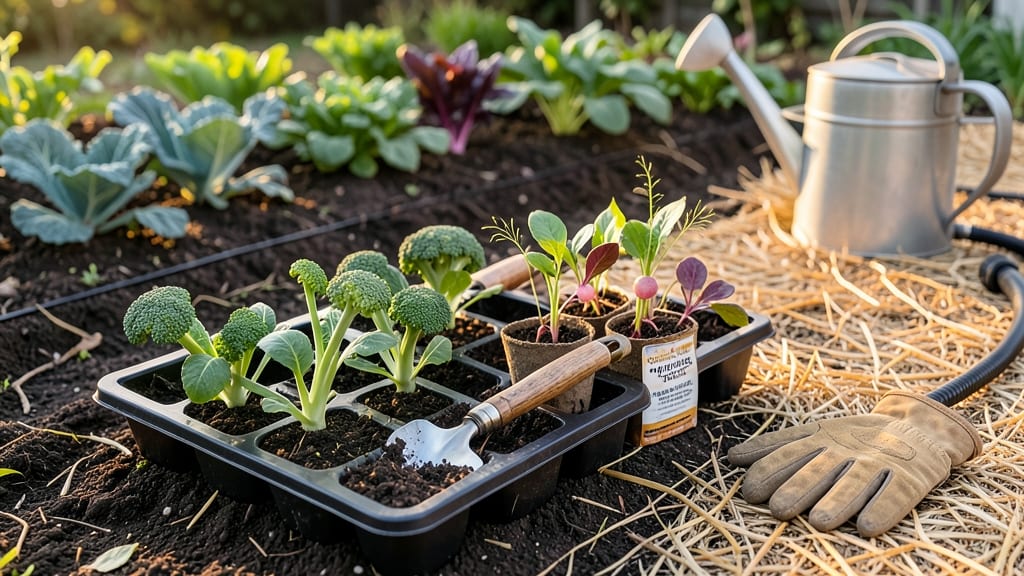
Planting a fall garden in Texas requires knowing the exact deadlines between summer’s last heatwave and winter’s first frost — or your crops will either wilt or freeze.
Texas gardeners know timing is everything — plant too early, and your fall crops face scorching heat; too late, and frost ruins your harvest. Mastering Heat Zone 9A’s delicate window between summer’s last blaze and winter’s first chill can mean the difference between a bountiful garden and a wasted season.
In this guide, I’ll break down the precise planting windows for your Texas 9A zone, the best crops to grow, and how to extend your harvest season without risking frost damage. No more guessing — just science-backed deadlines for a thriving fall garden.
You’ll discover the last safe dates for direct sowing, the top heat-tolerant varieties that thrive before frost, and pro tips to protect your plants when temperatures drop unexpectedly. Let’s get your Texas fall garden growing like a pro.
Texas heat zone 9A fall planting deadlines: exact dates for zero frost risk
In Texas Heat Zone 9A, the fall planting window is tight—just 8-10 weeks between summer’s last heatwave and the first frost. Missing these deadlines means either wilting plants or frost-killed seedlings.
The average first frost date in Zone 9A is around December 15, but early frosts can sneak in as early as November 20, especially in North Texas. To maximize your harvest, aim to plant cool-season crops 4-6 weeks before that date.
Your fall planting window officially begins in mid-August when daytime highs drop below 90°F. This is your cue to start direct sowing heat-tolerant crops like collard greens and sweet potatoes. By late September, you’ll shift to transplanting cooler-loving crops such as broccoli and kale.
The last safe date for direct sowing most fall crops is October 15, while transplants can go in until November 1.
Here’s the critical timeline you need to follow to avoid frost damage while escaping summer’s worst heat:
| Task | Plant Type | Last Safe Date | Notes |
|---|---|---|---|
| Direct Sow | Heat-tolerant veggies (okra, sweet potatoes, black-eyed peas) | August 15–September 15 | Soil temps must be 70°F+ for germination. |
| Transplant | Broccoli, cabbage, lettuce, spinach | September 1–October 15 | Use shade cloth if temps exceed 85°F. |
| Direct Sow | Carrots, beets, radishes, turnips | September 15–October 15 | Sow in well-drained soil to prevent rot. |
| Transplant | Onions, garlic, peas | October 1–November 1 | Use mulch to retain moisture. |
| Succession Plant | Lettuce, spinach, arugula | Every 2 weeks until October 31 | Stagger plantings for continuous harvest. |
| Plant Flowers | Marigolds, zinnias, cosmos | August 1–September 30 | Attracts pollinators for veggie crops. |
For succession planting, focus on leafy greens like lettuce and spinach, which mature in 30-50 days. Start your first batch in mid-September, then sow every 2 weeks until October 31.
This ensures a steady supply of fresh greens before frost hits. If you’re growing root crops like carrots or beets, plant them by October 15—they’ll mature slowly and tolerate cooler temps.
One common mistake is planting cool-season crops too early, like broccoli in July. The 100°F+ heat will bolt or stunt growth. Instead, wait until September 1 when daytime highs dip below 90°F.
Another pitfall is ignoring soil temperature. Use a soil thermometer to confirm temps are 60°F+ for cool-season crops—below that, seeds won’t germinate.
Protect your late-season plants with row covers or cold frames if frost threatens before December 15. These tools can extend your growing season by 2-4 weeks, giving you time to harvest kale, collards, and spinach even if temps drop.
Just remove covers during the day to prevent overheating.
If you’re in North Texas (e.g.,
Best fall crops for Texas 9A: heat-tolerant varieties that thrive before frost
When the Texas summer heat starts to ease in late August, it’s time to shift gears and plant crops that can handle residual warmth while preparing for cooler weather.
In Heat Zone 9A, the key is selecting heat-tolerant varieties that won’t bolt in the remaining summer heat but also survive light frosts. My top picks focus on quick-maturing vegetables, cold-hardy herbs, and resilient flowers that thrive in this transitional window.
Start with leafy greens like Texas Blue Stem Kale and Black Seeded Simpson Lettuce, both of which tolerate 85°F+ temperatures better than traditional varieties. Pair these with heat-resistant root crops such as Carolina Gold Sweet Potatoes and Georgia Southern Peanuts, which mature quickly before the first frost.
Don’t overlook herbs like Mexican Tarragon and Anise Hyssop, which add flavor and pollinator benefits to your fall garden.
Companion planting is your secret weapon in Texas 9A. For example, bush beans and squash protect basil from pests, while marigolds deter nematodes near carrots. These pairings maximize space and reduce maintenance while boosting yields. Below, I’ve curated a styled list of the best fall crops for your region, including planting tips and companion pairings.
🌱 Top Fall Crops for Texas 9A
- 🥬 Leafy Greens: Texas Blue Stem Kale, Black Seeded Simpson Lettuce, and Fordhook Giant Collards (plant August 1–September 15).
- 🍠 Root Crops: Carolina Gold Sweet Potatoes and Georgia Southern Peanuts (sow July 15–August 30 for harvest before frost).
- 🌶️ Peppers & Eggplants: Aristotle Pepper and Black Beauty Eggplant (transplant August 1–September 10).
- 🌿 Herbs: Mexican Tarragon, Anise Hyssop, and Cilantro ‘Santo’ (sow September 1–October 15).
- 🌼 Flowers: Zinnias ‘Benary’s Giant’ and Cosmos ‘Bright Lights’ (direct sow August 15–September 30).
Pro Tip: Always mulch with 2–3 inches of straw to retain moisture and regulate soil temperature.
For succession planting, focus on fast-growing crops like radishes and turnips, which mature in 30–45 days. Sow new seeds every 2–3 weeks from mid-August through early October to ensure a continuous harvest. Avoid planting bolting-prone greens like spinach too early—they’ll turn bitter in residual summer heat.
Texas 9A’s fall garden is all about balance: heat tolerance early in the season and cold hardiness as temperatures drop. By choosing the right varieties and timing, you’ll enjoy homegrown harvests well into December.
Start with my top picks, and don’t forget to monitor frost forecasts—your garden’s success depends on it! 🌿