
Planting
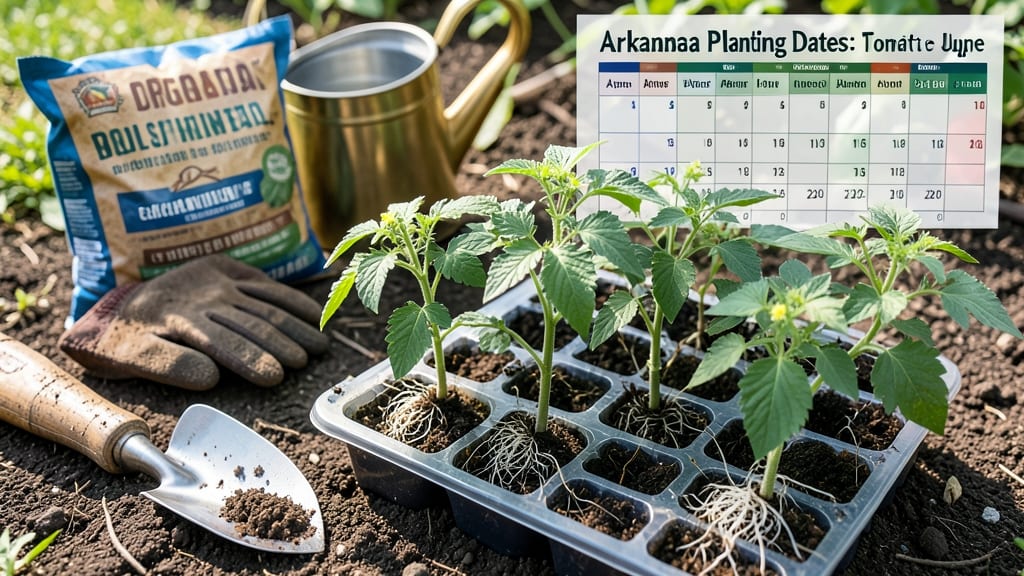
Planting your garden in Arkansas at the right time means the difference between a bountiful harvest and a sad, wilted disappointment.
Arkansas gardeners in Zone 7b know timing is everything—plant too early and risk frost, too late and miss peak harvests. Master these deadlines to grow thriving vegetables, flowers, and herbs year after year.
With fast-growing crops like sweet potatoes and heat-loving okra, you’ve got a short window to get seeds in the ground before summer’s relentless heat takes over. The key is knowing when soil warms up, when last frost dates shift across regions, and how to adjust for Arkansas’ unpredictable spring rains.
In this guide, I’ll break down the exact planting windows for spring, summer, and fall—plus how to tweak your schedule for Little Rock’s humidity, Fayetteville’s cooler nights, and Hot Springs’ early heat. Ready to grow like a pro?
Arkansas Zone 7b planting deadlines by season: exact dates for success
Arkansas' Zone 7b climate offers a generous growing season, but precise planting deadlines separate successful harvests from wasted effort. The average last frost date in northern Arkansas (like Fayetteville) is around March 15, while southern regions (such as Hot Springs) see frost-free conditions by February 28.
These dates shift slightly yearly, so always check local forecasts before planting frost-sensitive crops.
For cool-season vegetables like broccoli and lettuce, I start seeds indoors 8-10 weeks before last frost (early January) and transplant outdoors by March 1-15. Warm-season crops like tomatoes and peppers need soil temperatures above 60°F, which typically occurs by April 15 in most of Arkansas.
Fall planting follows a reverse schedule, with cool-season crops planted by August 15 for harvest before first frost.
Microclimates matter! Little Rock's urban heat island effect can push last frost dates 3-5 days later than rural areas. In Hot Springs, the milder winters allow earlier spring planting (as early as February 15 for heat-loving crops), while the Ozark Mountains experience later frosts that may linger until April 1.
Here's your seasonal planting timeline for Arkansas Zone 7b, including microclimate adjustments:
| Season | Planting Window | Key Crops | Microclimate Notes | Soil Prep |
|---|---|---|---|---|
| Early Spring | Feb 15 - Mar 15 | Peas, Spinach, Radishes | Hot Springs: Feb 1; Ozarks: Mar 1 | Add compost, test pH (6.0-7.0) |
| Late Spring | Mar 15 - Apr 30 | Broccoli, Carrots, Beets | Little Rock: extend to May 15 | Warm soil with black plastic |
| Summer | Apr 15 - Jul 15 | Tomatoes, Peppers, Okra | All regions: mulch heavily | Drip irrigation recommended |
| Early Fall | Jul 15 - Aug 15 | Kale, Brussels Sprouts, Lettuce | Ozarks: Aug 1 only | Remove summer crops first |
| Late Fall | Aug 15 - Sep 15 | Turnips, Collards, Garlic | Hot Springs: extend to Sep 30 | Add winter mulch after planting |
My top tip for Arkansas gardeners: Use row covers to extend spring planting by 2-3 weeks and protect fall crops until November 15. For example, I've successfully grown spinach until Christmas using floating row covers in Little Rock.
Always remove covers during daytime for pollination of crops like cucumbers and squash.
For perennial plants like asparagus and strawberries, timing differs. Asparagus crowns should be planted in early spring (March) when soil reaches 50°F, while strawberries thrive when planted in early fall (September) for root establishment before winter.
The first frost date (typically November 15-30) marks the cutoff for most annual planting.
Don't forget about herbs and flowers! Many herbs (like basil) need to be planted after May 1 when night temperatures stay above 55°F. Annual flowers such as zinnias and marigolds can handle Arkansas' heat and should be sown directly after April 15.
For bulbs like tulips, plant in October-November to ensure blooms next spring.
Pro tip: Arkansas' humid summers can stress plants. I always schedule heavy feedings in May and June to compensate. Use a balanced 10-10-10 fertilizer for vegetables
How to adjust planting times for Arkansas weather patterns: heat, rain, and soil factors
Arkansas's Zone 7b climate brings unique challenges like humid heat waves and flash flooding, forcing gardeners to adapt planting schedules. The key is balancing soil warmth, moisture control, and seasonal extensions to maximize success.
Unlike northern states, Arkansas's long growing season allows for multiple planting windows—but timing is critical to avoid stress on plants.
Extended summer heat can shock cool-season crops, while sudden downpours turn clay-heavy soils into mud. I've learned to adjust planting times by monitoring soil temperatures, using row covers for early/late crops, and choosing drought-resistant varieties.
These strategies help me beat Arkansas's unpredictable weather patterns and still enjoy a bountiful harvest.
⚠️ callout warning
To prepare for Arkansas's clay-heavy soils, I always amend beds with compost and plant on raised mounds to improve drainage. For flash flood-prone areas, I use elevated containers or berm planting to keep roots dry. These adjustments prevent waterlogged roots that stunt growth or invite fungal diseases.
For season extension, I rely on row covers in spring/fall and cold frames for winter greens. A simple floating row cover can add 2-3 weeks to your growing season by protecting tender plants from late frosts or early heat waves.
I've successfully grown spinach in March and kale in November using this method.
When adjusting planting times, I follow these three rules: plant cool crops in spring/fall, heat-lovers in summer, and always check soil moisture before watering.
For example, tomatoes thrive when planted after May 15 in most of Arkansas, but I start seeds indoors in March to get a head start. This two-phase approach ensures I'm not racing against the clock.
Don't forget about microclimates—southern Arkansas stays warmer longer than northern areas. If you're near Hot Springs, you can plant 1-2 weeks earlier than in Fayetteville. I always check my local Cooperative Extension Service for frost-free date updates, as these can shift yearly due to climate changes.
With these adjustments, even Arkansas's unpredictable weather becomes an advantage for gardeners.