
Planting
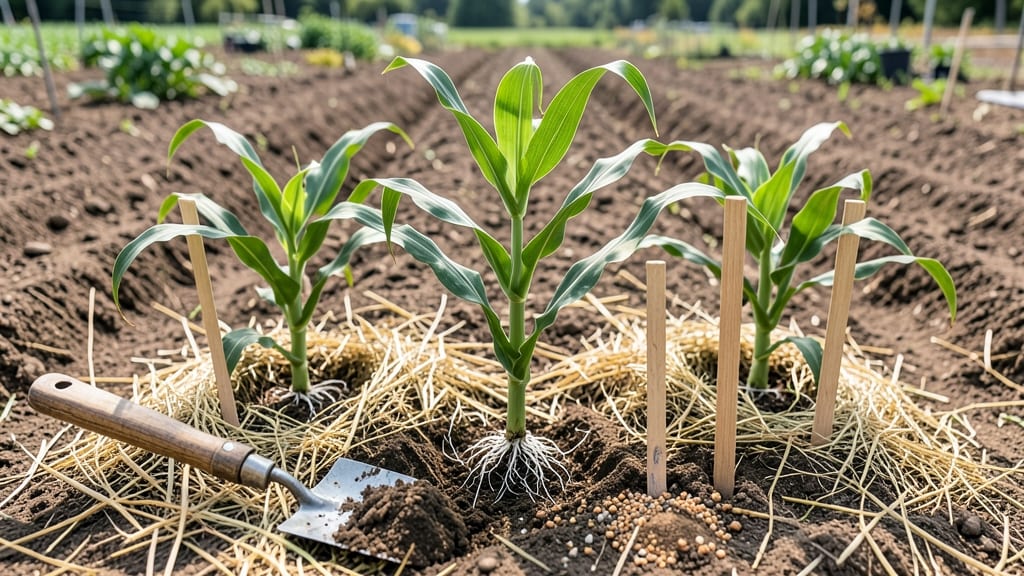
Planting your garden in Iowa at the right time means the difference between a bumper crop and a sad, wilted mess—especially in Zone 5b where frost can strike anytime before April 15.
Iowa’s unpredictable frost dates can turn a gardener’s dream into a frozen nightmare—but timing your plantings right ensures a thriving harvest instead of a sad, wilted mess.
Whether you’re sowing cool-season veggies like spinach in early spring or heat-lovers like tomatoes after the last frost, the key is knowing when to start seeds indoors, when to transplant, and how to adjust for Iowa’s microclimates.
Below, I’ll break down the critical planting windows for your General Garden 🌱, frost-tolerant exceptions, and how to extend your growing season without breaking the bank.
Iowa Zone 5b frost dates: critical planting windows by season
Iowa’s Zone 5b climate means gardeners must work with a 165-day frost-free period, typically from mid-April to mid-October. These dates aren’t set in stone—microclimates (urban heat islands vs. rural chill) can shift your planting windows by 1-2 weeks.
For example, Des Moines’ last frost averages April 15, but northern Iowa (like Waterloo) may see frost lingering until May 1.
Understanding these patterns helps you avoid the heartbreak of frost-killed seedlings. The Iowa State University Extension tracks 10-year averages, showing the last spring frost ranges from April 5-20 and the first fall frost from October 5-20.
Urban areas like Cedar Rapids often warm faster, while river valleys (like the Mississippi) can stay cooler longer.
Here’s how to use this data: Wait until after May 15 to plant warm-season crops like tomatoes and peppers, but cold-hardy greens (spinach, kale) can go in as early as March 20 if soil temps hit 40°F.
Fall planting starts 6-8 weeks before your area’s first frost—so late July for southern Iowa, early August for the north.
🌱
| Season | Critical Dates (Zone 5b) | Planting Window | Microclimate Adjustments |
|---|---|---|---|
| Spring | Last Frost: April 5-20 | Cold-Hardy Crops: March 20 Warm-Season Crops: May 15 |
Urban: 1 week earlier Rural: 1 week later |
| Summer | Peak Heat: July-August | Succession Plant: Every 2 weeks | Heat Islands: Water deeply |
| Fall | First Frost: Oct 5-20 | Start 6-8 weeks before frost | Valleys: Frost pockets |
| Winter | Dormant Season | Plan next year | Protect perennials |
For urban gardeners, pavement and buildings create microclimates that warm up faster. Test your soil temperature with a soil thermometer—most seeds need 50°F+ to germinate. Rural areas, especially near lakes or forests, may need to wait 7-10 days longer for safe planting.
Pro tip: Use frost-sensitive plants like basil or cucumbers as your canary in the coal mine. If they survive a night below 32°F, your garden’s likely safe. For extra cushion, plant cold frames or use row covers to extend spring by 2-3 weeks.
Fall planting is just as critical. Broccoli and carrots planted in late July can mature before frost, while kale and spinach sweeten after light frosts. Aim to finish by September 1 for southern Iowa or August 15 in the north.
🌿
Don’t rely solely on averages—track your own data for 3 years to refine your schedule. Note when blackberry plants bloom (a sure sign of spring) or when milkweed pods split (fall’s arrival). These natural indicators often beat calendar dates for accuracy.
Finally, adjust for heat zones within Iowa. Southern counties (like Scott) have 175 frost-free days, while northern areas (like Clay) may only hit 155 days. Choose plant varieties with shorter days to maturity (e.g., 55-day tomatoes vs. 80-day heirlooms) to maximize your growing window.
☀️
Best vegetables to plant in Iowa by month (with frost-tolerant exceptions)
Iowa’s Zone 5b climate demands strategic planting to beat late spring frosts and early fall chills. While most gardeners wait for May 15 to plant heat-lovers like tomatoes, some cold-hardy crops thrive in March-April soil.
The key? Knowing which veggies can handle 28°F temperatures and which need warm soil to germinate.
My 5-year Iowa garden taught me that peas and spinach are the frost-proof superstars—they’ll survive light freezes and even snow cover. Meanwhile, squash and corn scream for soil temps above 60°F, making them June plantings in most years. Let’s break it down month-by-month with Extension Office-approved tricks.
- March: Peas, spinach, lettuce, kale (direct sow when soil hits 40°F—use row covers for extra frost protection). Onion sets go in too!
- April: Broccoli, cabbage, carrots, radishes (sow after April 15 average last frost). Potatoes in late April for early harvests.
- May: Tomatoes, peppers, eggplant (wait until soil is 60°F+—test with a soil thermometer). Green beans after last frost.
- June: Squash, corn, cucumbers, melons (plant after June 1 to avoid blossom-end rot from cool nights).
- July-August: Succession plant lettuce, spinach, radishes for fall harvests. Garlic for next year!
- September: Kale, Brussels sprouts, carrots, beets (sow 6-8 weeks before first frost—aim for October 15 harvests).
Pro tip: Use Iowa State University Extension’s frost date maps to adjust for your specific county. Northern Iowa (e.g., Waterloo) gets frost 2 weeks earlier than southern Iowa (e.g., Des Moines).
My Des Moines garden lost half my pepper plants one year because I planted too early—always check local data!
For heat-loving crops like tomatoes and peppers, start indoors in March and transplant after May 15. Use black plastic mulch to warm soil 5-10°F faster—this is my #1 trick for beating Iowa’s cool springs. Pair tomatoes with basil to improve flavor and repel pests naturally.
Don’t forget fall planting! Spinach and peas can handle light frosts and even taste sweeter after a 28°F dip. My October-planted peas produced until Thanksgiving last year. For overwintering, cover with straw mulch to protect roots.
Remember: Succession planting is your secret weapon. Instead of planting all your lettuce at once, sow every 2 weeks from April to August for continuous harvests. This works for radishes, beans, and carrots too. My kids’ garden never runs out of snacks this way!