
Planting
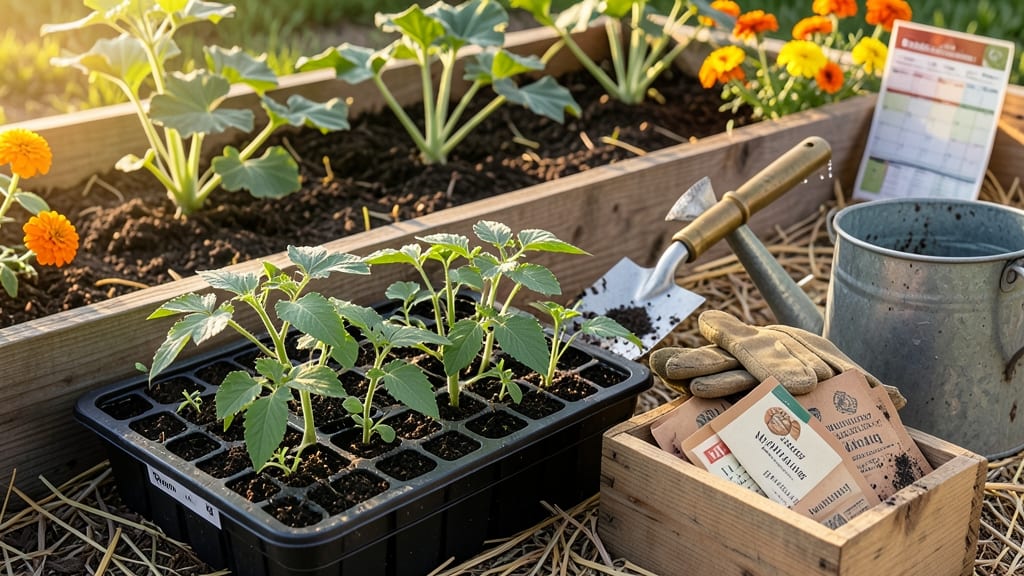
To plant a garden in Nebraska, time your efforts between mid-April and mid-May for spring, then again from early August to mid-September for fall crops—this aligns with the state’s USDA Zone 5b frost patterns.
Nebraska’s unpredictable spring weather can turn a gardener’s carefully planned planting schedule into a gamble—unless you follow the USDA Zone 5b guidelines tailored to the state’s frost patterns and soil conditions.
With 150-180 frost-free days in most regions, the key is planting cool-season crops like spinach and peas as soon as the soil warms to 50°F, while waiting until late May for heat-loving tomatoes and peppers.
Below, I break down the exact planting windows for Nebraska’s most popular vegetables, how to adjust for late frosts, and the best varieties to grow for your region’s climate.
Nebraska planting dates by vegetable type: frost-free timing for USDA Zone 5b
Nebraska’s USDA Zone 5b climate means gardeners must time plantings carefully to avoid late spring frosts or early fall freezes.
The average last frost date ranges from April 15 in western regions to May 1 in eastern Nebraska, while the first frost typically arrives between October 1 and October 15. Understanding these windows helps you choose the right cool-season vs. warm-season crops for your garden.
For cool-season vegetables like spinach, peas, and lettuce, you’ll want to plant as soon as the soil reaches 40°F—often in early April—while warm-season crops such as tomatoes, peppers, and cucumbers need to wait until after the last frost, usually mid-May.
Nebraska’s three major regions—Omaha, Lincoln, and Kearney—also have slight variations in frost timing, so I’ll break it down by location.
| Region | Last Frost Date (Avg.) | Cool-Season Planting Window | Warm-Season Planting Window | Fall Planting Deadline |
|---|---|---|---|---|
| Omaha | April 25 | March 15 – April 15 | May 10 – May 25 | August 20 |
| Lincoln | April 15 | March 1 – April 10 | May 1 – May 15 | August 15 |
| Kearney | April 10 | March 1 – April 5 | April 25 – May 10 | August 10 |
*Adjust dates 1-2 weeks earlier for early varieties or later for heat-tolerant crops.
If you’re planting cool-season crops, start seeds indoors 6-8 weeks before your region’s last frost date.
For example, spinach and peas can go in the ground as early as March 1 in Lincoln or March 15 in Omaha, but be prepared to protect them with row covers if late frosts hit.
These crops thrive in cooler temperatures (50-70°F) and can even handle light frosts, making them ideal for Nebraska’s early spring.
For warm-season crops, wait until the soil temperature reaches at least 60°F—usually mid-to-late May—before planting tomatoes, peppers, and eggplants. These plants are frost-sensitive and won’t survive if exposed to temperatures below 50°F.
If you’re eager to get a head start, you can start seeds indoors in early April and transplant them outdoors after the last frost. Cucumbers and squash also prefer warm soil, so wait until late May to plant them.
Nebraska’s summer planting window extends from June through early August, but you’ll need to act fast. Succession planting is key for crops like lettuce, radishes, and beans, which can be sown every 2-3 weeks to ensure a continuous harvest.
For fall planting, focus on cool-season crops again, starting seeds in late July for an early September harvest before the first frost.
One of my favorite strategies is extending the growing season with row covers or cold frames. These tools allow me to plant spinach and kale as early as February in a protected environment, giving me a 3-4 week head start on the season.
Similarly, I use black plastic mulch to warm the soil faster in spring, helping warm-season crops like peppers thrive earlier in the season.
Don’t forget about soil temperature—it’s just as critical as air temperature. Use a soil thermometer to check that your soil is at least 50°F for cool-season crops and 60°F+ for warm-season crops before planting.
In Nebraska, soil warms up more slowly in western regions like Kearney, so you may need to wait until late May for warm-season crops there.
For herbs like basil and cilantro, timing is everything. Basil needs warm soil (70°F+) and won’t tolerate frost, so plant it after May 15. Cilantro, on the other hand, bolts in hot weather, so I plant it in early spring (March-April) or late summer (August-September
How to adjust your Nebraska planting schedule for late frosts and soil temperatures
Nebraska’s unpredictable late frosts can wreak havoc on tender seedlings, but with the right strategies, you can extend your growing season and protect your plants. The key lies in understanding soil temperatures and using tools like row covers and cold frames to shield young plants.
Even experienced gardeners in USDA Zone 5b often face unexpected April frosts, so planning ahead is essential.
Start by monitoring soil temperatures—most cool-season crops like spinach and peas thrive when soil reaches 40-50°F, while warm-season crops like tomatoes need at least 60°F. A soil thermometer (around $10) is your best friend for making data-driven decisions.
Nebraska’s 10-year frost data shows late frosts can occur as late as May 10 in western regions, so don’t rush to plant warm-season crops too early.
⚠️ callout warning ⚠️
To harden off seedlings, gradually expose them to outdoor conditions over 7-10 days before transplanting. Start with 2-3 hours in partial shade, then increase exposure daily. This process strengthens cell walls and reduces transplant shock. For tomatoes and peppers, wait until you’ve seen three consecutive nights above 50°F—this usually aligns with mid-May in most of Nebraska.
Row covers and cold frames are game-changers for early spring and fall planting. A simple floating row cover (like Reemay fabric) can raise temperatures by 5-8°F and protect plants from light frosts down to 25°F.
For extreme cold snaps, a cold frame (a clear plastic box over plants) can extend the season by 4-6 weeks in both spring and fall. Just remember to ventilate on warm days to prevent overheating.
If you’re planting cool-season crops like kale or broccoli in early spring, consider direct sowing instead of transplanting. These hardy plants can tolerate light frosts and often germinate better in cooler soil (around 40°F).
For warm-season crops, start seeds indoors 6-8 weeks before your last frost date to ensure they’re ready for transplanting once conditions improve.
Don’t forget to mulch your garden beds with straw or grass clippings to insulate soil and maintain even temperatures. Mulch can delay soil warming in spring (which is great for cool-season crops) and slow cooling in fall (ideal for extending harvests).
By combining soil temperature data, protective coverings, and gradual hardening, you’ll turn Nebraska’s unpredictable climate into an advantage for a longer, more productive growing season.