
Planting
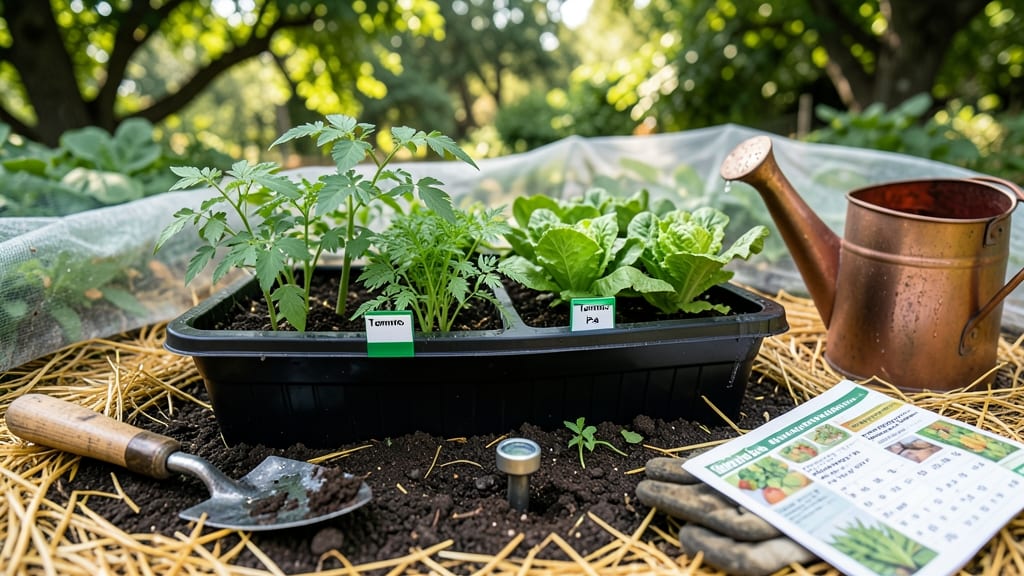
Planting your garden in Oregon at the right time means the difference between a thriving harvest and wasted effort—especially in Zone 7B, where frost can strike unexpectedly.
Picture this: You’ve spent weeks nurturing seedlings, only for a late frost to turn your zucchini into ice cubes. Oregon’s mild climate throws off many gardeners, but timing is everything—whether you’re in the Willamette Valley or the High Desert.
This guide breaks down the exact windows for planting vegetables, flowers, and perennials, accounting for Oregon’s microclimates and frost risks. No more guesswork—just data-backed deadlines to maximize your garden’s potential.
From cool-season crops like spinach to heat-loving tomatoes, you’ll learn how to adjust planting schedules based on local conditions, avoid common mistakes, and extend your growing season with simple tricks.
Oregon zone 7B planting deadlines by crop type (with frost risk alerts)
Oregon’s Zone 7B climate offers a long growing season, but its variable frost dates demand precision. The Willamette Valley typically sees its last frost around April 15, while Eastern Oregon areas like Bend can experience frost until May 10.
Warm-season crops like tomatoes and peppers need soil temperatures above 55°F to thrive, while cool-season crops like spinach and kale tolerate light frosts. Understanding these microclimate differences is key to avoiding failed harvests.
For cool-season vegetables, start planting as early as February for hardy crops like peas and lettuce. These plants can handle light frosts down to 20°F, making them ideal for Oregon’s early spring.
In contrast, warm-season crops like cucumbers and squash should wait until after the last frost date, typically mid-May in most areas. Using frost-free probability maps from OSU Extension can help you fine-tune these timelines for your specific location.
🌱
In Eastern Oregon, where frost lingers longer, delay warm-season planting until late May to avoid 30% higher frost risk compared to the Willamette Valley.
For example, tomato seedlings planted in mid-April in Portland may survive, but the same plants in Bend could suffer leaf damage or death from late frosts. Use row covers or cold frames to extend your planting window by 2–3 weeks in frost-prone areas.
For herbs like basil, wait until soil temperatures exceed 60°F—typically late May—to prevent stunted growth. Cool-season herbs like cilantro and parsley, however, thrive when planted in early spring or late summer for a fall harvest. OSU’s Garden Guide recommends testing soil temperatures with a soil thermometer to ensure optimal planting conditions.
If you’re growing peppers, which are particularly sensitive to cold, start seeds indoors in March and transplant after the last frost date. Tomatoes, another warm-season favorite, can be set out as early as mid-April in sheltered microclimates but should wait until May 1 in open areas. Succession planting every 2–3 weeks ensures a continuous harvest of lettuce, radishes, and beans throughout the summer.
Don
How to adjust planting times for Oregon’s microclimates (Willamette Valley vs. Eastern Oregon)
Oregon’s diverse geography means your planting schedule in Portland’s urban heat islands differs drastically from Hood River’s high-desert climate. The Willamette Valley’s coastal influence keeps nights cooler, while Eastern Oregon’s elevation delays spring warmth. Understanding these microclimates helps you avoid late frosts or overly hot summers that stress plants.
For example, tomatoes planted in Portland’s Zone 7B can thrive with early May starts, but in Bend’s Zone 6, wait until mid-June to prevent frost damage.
Even within the Willamette Valley, urban areas like Beaverton may be 5-10°F warmer than rural Salem, affecting when to sow peppers or cucumbers.
🌱 Comparison Table: Planting Adjustments by Microclimate
| Microclimate | Last Frost Date | Indoor Seed Start (Warm Crops) | Direct Sow Outdoors | Key Adjustment |
|---|---|---|---|---|
| Portland Urban (Zone 7B) | April 15-May 1 | Feb 15-Mar 1 (peppers/tomatoes) | April 20-May 10 | Start 2 weeks earlier than rural areas |
| Willamette Valley Rural (Zone 7B) | April 20-May 5 | Feb 20-Mar 10 | May 1-10 | Use row covers for early crops |
| Hood River (Zone 6) | May 10-20 | Mar 1-Apr 1 | May 20-June 10 | Extend season with cold frames |
| Bend (Zone 5) | May 25-June 5 | Apr 1-May 1 | June 10-20 | Prioritize short-season varieties |
To fine-tune your schedule, check your local frost-free probability using OSU’s Frost Probability Calculator. For instance, in Eugene, the 50% frost-free date is April 25, while Prineville hits this milestone May 15.
This 20-day difference means cool-season crops like kale or carrots can start 3 weeks earlier in Eugene than in Prineville.
For urban gardeners, heat islands can push planting dates 1-2 weeks earlier for warm crops. Test soil temperature with a soil thermometer—most vegetables need 50°F+ for germination. In Portland’s downtown, sidewalks may be 10°F warmer than nearby parks, creating micro-zones where basil or cucumbers can start sooner.
In Eastern Oregon’s high desert, focus on drought-tolerant varieties like cherry tomatoes or zucchini, and use mulch to retain moisture.
The Columbia River Gorge offers a unique transition zone—plant cool crops like broccoli in early April, then shift to warm crops by late May, leveraging the gorge’s moderating coastal influence.
Pro tip: Use succession planting to stagger harvests. In the Willamette Valley, sow lettuce every 2 weeks from March to August, while in Eastern Oregon, limit lettuce to spring and fall plantings to avoid summer bolting.
Adjust your calendar annually—Oregon’s El Niño years can shift frost dates by 10+ days.