
Planting
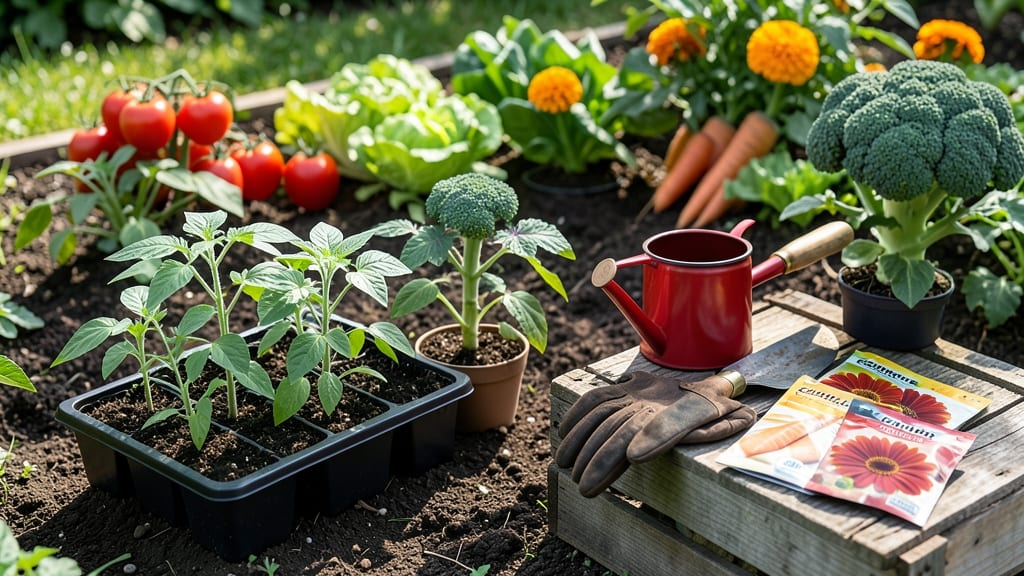
Planting a garden in Pennsylvania means timing it perfectly between the last spring frost and summer’s heat—because getting it wrong can mean lost seedlings or stunted harvests.
Pennsylvania’s diverse climate—from the cool mountains to the humid valleys—means your planting timeline can vary dramatically depending on where you live. Get it wrong, and your garden could face frost damage or stunted growth. But get it right, and you’ll enjoy a thriving harvest all season long.
Whether you’re in Zone 4’s chilly north or Zone 7’s warmer south, knowing when to sow seeds or transplant seedlings is the key to success. Cool-season crops like lettuce and peas need to go in early, while tomatoes and peppers wait until the soil warms.
Below, I break down exact planting windows by zone, frost protection tips for late springs, and how to adjust for microclimates—so you can start strong and keep your garden thriving all summer.
Pennsylvania’s last frost dates by USDA hardiness Zone
Pennsylvania spans USDA Zones 3a to 7a, creating dramatic differences in frost timing from the cool Poconos (Zone 5a) to the warmer Philadelphia suburbs (Zone 7a).
These dates determine whether your tomatoes thrive or spinach bolts—getting them right means the difference between a bountiful harvest and wasted effort. Let’s break down what you need to know for each zone.
Urban areas like Pittsburgh (Zone 6a) often experience warmer microclimates than rural farms, while valleys like the Lehigh Valley (Zone 7a) can have earlier last frosts than surrounding hills.
Rural zones like Erie (Zone 6b) near Lake Erie benefit from lake-effect moderation, delaying spring frosts by 1-2 weeks compared to inland areas.
Historical data shows last frost dates can shift by 7-10 days year-to-year, so always use a 10-day buffer when planting warm-season crops. For cool-season crops, aim to sow 4-6 weeks before your zone’s average last frost to ensure strong seedlings before warmer weather arrives.
| USDA Zone | Avg. Last Frost | Avg. First Frost | Growing Season (Days) | Cool-Season Planting Window | Warm-Season Planting Window |
|---|---|---|---|---|---|
| Zone 3a (Poconos, NE PA) | May 15 | October 5 | 143 days | March 15 - April 30 | June 1 - June 15 |
| Zone 4a (State College, Scranton) | May 1 | October 15 | 167 days | March 1 - May 10 | May 15 - May 31 |
| Zone 5a (Harrisburg, Lancaster) | April 25 | October 25 | 184 days | February 15 - May 15 | May 1 - June 1 |
| Zone 5b (Philadelphia suburbs) | April 15 | November 5 | 204 days | February 1 - May 20 | April 25 - May 15 |
| Zone 6a (Pittsburgh, Reading) | April 10 | November 10 | 214 days | February 1 - May 25 | April 15 - May 20 |
| Zone 6b (Erie, Allentown) | April 5 | November 15 | 224 days | February 1 - June 1 | April 1 - May 15 |
| Zone 7a (Delaware Water Gap) | March 30 | November 20 | 235 days | January 15 - June 10 | March 25 - April 30 |
In Zone 3a, gardeners must wait until mid-May to plant tomatoes and peppers, while Zone 7a gardeners can start warm-season crops as early as March 25.
This 6-week difference means your neighbor’s zucchini might be thriving while yours is still a seedling. Always check local Almanac records for your specific area.
For cool-season crops like kale, spinach, and peas, you can plant as early as February in Zone 6a-7a, but wait until March 15 in Zone 3a. These crops tolerate light frosts, so don’t rush—slow, steady growth yields
Zone-specific planting calendar for Pennsylvania gardens
Pennsylvania spans USDA Zones 4-7, creating a 3-week difference in planting times between the Poconos and Philadelphia. In Zone 4 (northwest PA), you’ll need frost protection until May 15, while Zone 7 (southeast) can plant tomatoes as early as April 1.
Understanding these variations helps you avoid frost damage and maximize your harvest.
For cool-season crops like lettuce and peas, start seeds indoors 6-8 weeks before your last frost date. In Zone 4, that means mid-March indoors with outdoor transplanting in late April.
Meanwhile, warm-season crops like peppers and eggplants need soil temperatures above 60°F, so wait until after May 15 in colder zones or early April in Zone 7.
Comparison Table: PA Planting Timeline by Zone
Extend your growing season in colder zones by using row covers or cold frames to plant 4-6 weeks earlier. In Zone 4, I’ve successfully grown spinach under row covers as early as March 15, shaving weeks off the waiting time.
For warm-season crops, wait until soil temperatures consistently stay above 60°F—use a soil thermometer to track progress.
Succession planting is key in PA’s short growing season. For lettuce or radishes, sow seeds every 2 weeks from spring until July 15 to ensure continuous harvests.
In Zone 5-7, you can even plant a fall garden of kale or carrots in mid-August for harvests before first frost (typically October 15-November 1).
Don’t forget about perennial herbs like thyme or oregano, which thrive in PA’s climate. Plant them in spring or fall for year-round greens. In my Zone 6 garden, rosemary planted in May has survived winters with minimal protection, proving perennials are a low-maintenance investment.
Start planning now by marking your last frost date on your calendar and adjusting for microclimates—urban areas may warm up 2-3 days earlier than rural spots. With this zone-specific approach, you’ll avoid common mistakes and enjoy a bountiful harvest all season long! 🌱