
Planting
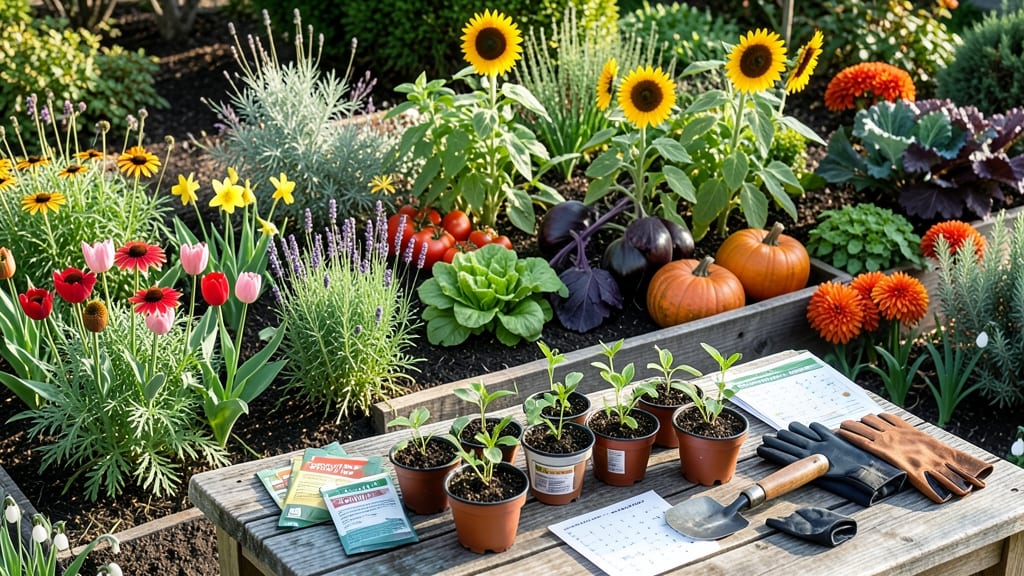
Planting your garden in Pennsylvania at the right time means the difference between a bountiful harvest and a wasted season.
Pennsylvania’s diverse climate—spanning USDA Zones 5 through 7—means your gardening success hinges on timing. Plant too early, and frost will strike; too late, and your harvest could suffer.
Whether you’re sowing cool-loving peas in early spring or heat-loving tomatoes after the last frost, knowing the exact window for each crop is the key to avoiding common mistakes.
Below, I break down the best planting times for vegetables, flowers, and herbs by zone, plus pro tips to extend your growing season and protect tender plants from late frosts.
Pennsylvania planting deadlines by USDA Zone (5-7) for key vegetables
Pennsylvania’s USDA Zones 5-7 create unique planting challenges, with last frost dates ranging from early April in Zone 7 to mid-May in Zone 5. Understanding these deadlines helps you avoid frost damage while maximizing harvest windows.
For example, tomatoes in Zone 5 need to wait until late May, while spinach can go in as early as March.
Your first frost dates also matter—typically late October in Zone 7 and early October in Zone 5. This affects when to plant fall crops like kale or cold-hardy greens. Let’s break down the best planting times for your top vegetable staples, so you can plan with confidence.
Note: These guidelines assume average conditions. Always check your local weather forecasts and adjust for microclimates (e.g., urban heat islands or sheltered valleys). For seed-starting indoors, begin 6-8 weeks before your last frost date.
| Crop | Zone 5 Deadline | Zone 6 Deadline | Zone 7 Deadline | Notes |
|---|---|---|---|---|
| Tomatoes | Late May - Early June | Mid-May | Early May | Start indoors 6-8 weeks before last frost; use row covers for early starts. |
| Peppers | Early June | Late May | Mid-May | Heat-lovers; wait until soil is at least 60°F. Start indoors 8-10 weeks early. |
| Beans (Bush) | Mid-May | Early May | Late April | Direct sow after soil warms to 60°F; succession plant every 2 weeks. |
| Lettuce | Early April - Mid-May | March - Early June | February - Late May | Cold-hardy; plant early for spring harvest or late summer for fall crops. |
| Carrots | Early April - Mid-June | March - Early July | February - Late June | Sow seeds directly; thin seedlings to 2-3 inches apart. |
| Potatoes | Early April | Late March | Early March | Plant seed potatoes in cool soil; harvest before first frost. |
| Spinach | Early March - Mid-April | February - Early May | January - Late April | Bolt-resistant varieties for summer planting; mulch to retain moisture. |
| Cucumbers | Late May | Early May | Mid-April | Warm-season crop; use black plastic mulch to speed soil warming. |
| Kale | Early April - Mid-September | March - Early October | February - Late October | Cold-hardy; sweeter after frost. Succession plant for continuous harvest. |
For Zone 5 gardeners, focus on early spring crops like peas and spinach, then transition to heat-loving plants after Memorial Day. In Zone 7, you can extend your season by planting cool-season crops like broccoli as late as August for fall harvests.
Pro tip: Use row covers or cold frames to push your last frost date back by 2-3 weeks. This is especially helpful for tomatoes and peppers, which struggle with cold soil.
For example, I’ve successfully planted tomato seedlings in Zone 5 as early as late April using floating row covers.
Don’t forget about succession planting! Crops like
How to adjust planting times for Pennsylvania’s microclimates
Pennsylvania’s varied geography creates unique microclimates that can shift planting times by weeks. Urban heat islands in Philadelphia may allow earlier tomato planting than rural areas, while mountain regions like the Poconos face later frost risks. Understanding these differences helps you extend growing seasons and protect delicate plants.
High-elevation gardens above 2,000 feet often experience cooler temperatures and shorter growing seasons. Even within cities, brick walls or dense buildings can create warmer microclimates perfect for heat-loving crops like peppers. By recognizing these patterns, you can optimize planting schedules for your specific location.
Urban Areas: Plant 2-3 weeks earlier (heat traps warm soil faster).
Mountain Regions: Delay 1-2 weeks after last frost (cooler soil slows germination).
Protected Spots: Extend season by 3-4 weeks with row covers or cold frames.
💡 Tip: Use a mini greenhouse for frost-sensitive seedlings in Zone 5 areas.
Row covers and cold frames are game-changers for Pennsylvania gardeners. A simple floating row cover can add 4-6°F protection against frost, letting you plant spinach or lettuce 3 weeks earlier in spring.
For fall, these tools extend harvests by 4-6 weeks, letting you grow kale or carrots well into November.
Succession planting works wonders in Pennsylvania’s short growing season. Instead of one big planting, try staggered sowings every 2 weeks for radishes, beans, or lettuce. This ensures a continuous harvest and makes the most of your garden space.
In Zone 6 and 7, you can even plant cool-season crops in late summer for fall harvests.
Don’t overlook soil temperature—it’s often the real indicator, not just air temperature. Use a soil thermometer to confirm 50°F for peas or 60°F for tomatoes before planting.
In urban microclimates, pavement can heat soil faster, while shaded areas may stay cooler longer. Adjust your schedule based on what your soil actually feels like.
For high-elevation gardens, prioritize cold-hardy varieties like broccoli, cabbage, or potatoes. These thrive in Zone 5 conditions and can handle late spring frosts. In protected microclimates near buildings, try heat-loving crops like okra or sweet potatoes that struggle in cooler areas.
The key is matching plants to your local microclimate, not just your USDA zone.