
Planting
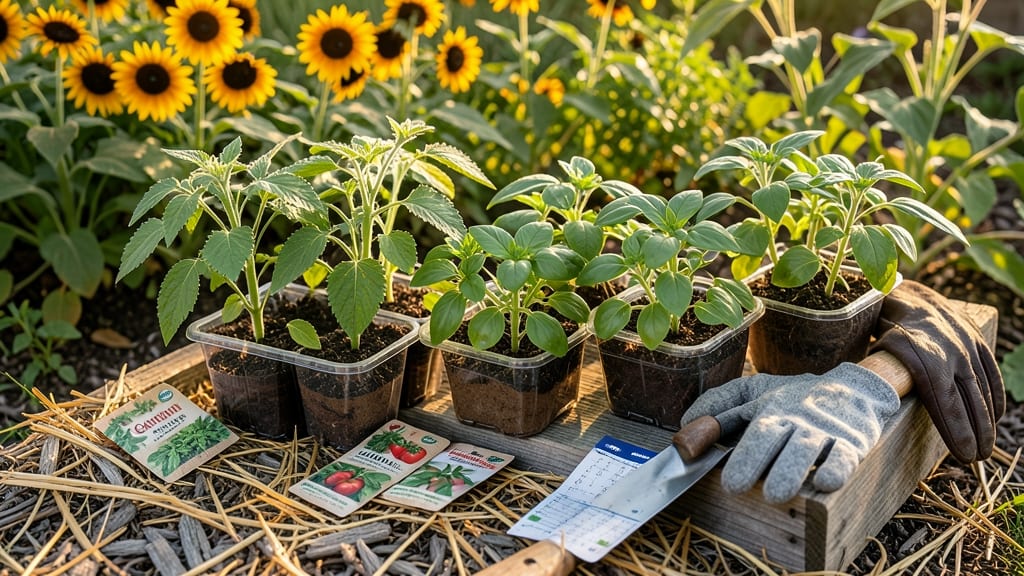
Planting your garden in Tennessee at the right time means the difference between a bumper crop and a sad pile of wilted seedlings.
Tennessee’s mild climate and diverse growing zones make it a gardener’s paradise—but planting at the wrong time can mean wasted seeds and missed harvests. For Zone 7a gardeners, timing is everything to avoid late frosts, extreme heat, and pests that could ruin your hard work.
You’ve got just 165 to 240 frost-free days to work with, depending on your region. That means knowing when to start seeds indoors, when to transplant tender veggies, and how to stretch the season with row covers or cold frames.
Below, I’ll break down the exact planting windows for spring and fall crops, regional tweaks for East vs. Middle Tennessee, and the one mistake that even experienced gardeners make every year.
Tennessee Zone 7a planting calendar: key deadlines by season
Tennessee’s Zone 7a climate offers a 165-240 frost-free days, giving gardeners a longer growing season than many northern states—but timing still matters.
The average last frost date ranges from mid-February in southern Tennessee to mid-March in the north, while the first frost typically arrives between early November and mid-November. These dates shift yearly, so I’ve included flexible windows to help you adapt.
For spring planting, focus on March through May for most vegetables and flowers, while fall planting peaks in August and September. Herbs like basil and cilantro thrive in warm soil, while kale and spinach prefer cooler temperatures.
Understanding these seasonal shifts ensures your garden avoids frost damage or bolted greens.
🌱
| Season | Planting Window | Key Tasks | Soil Temp | Notes |
|---|---|---|---|---|
| Spring | Feb 15 - Mar 15 (cool crops) Mar 15 - Apr 30 (warm crops) |
Test soil pH Add compost Direct sow or transplant |
45°F+ (cool crops) 60°F+ (warm crops) |
Use row covers for early starts Wait for last frost before planting warm crops |
| Summer | May 1 - Jun 15 | Mulch beds Water deeply Succession plant |
70°F+ | Provide shade for lettuce Harvest frequently to encourage production |
| Fall | Aug 1 - Sep 15 (cool crops) Sep 15 - Oct 15 (hardy crops) |
Prep soil for spring Plant garlic Extend season with cold frames |
50°F+ | Avoid planting warm crops after Labor Day Choose fast-maturing varieties |
| Winter | Nov 1 - Feb 15 | Plan next year Clean tools Protect perennials |
N/A | Order seeds early Start indoor seedlings |
In spring, I prioritize cool-season crops like broccoli, peas, and lettuce in February and March before the soil warms. These plants tolerate light frosts and can even sprout under row covers in late winter.
For warm-season crops like tomatoes and peppers, wait until after April 15—soil temperatures below 60°F stunt growth.
Summer planting in Zone 7a focuses on heat-tolerant varieties and succession planting to replace bolting greens. I recommend direct-sowing beans and cucumbers in May and transplanting squash by June 1. Always mulch to retain moisture, as July and August can bring 90°F+ soil temps that stress plants.
Fall is my favorite season for second harvests—I plant spinach, radishes, and kale in August for September-October harvests. For garlic and onions, I set cloves in October so they establish roots before winter. If you miss these windows, opt for fast-maturing varieties like bush beans or turnips.
Adjusting for late frosts or early heat is key. I’ve seen April frosts in East Tennessee delay planting by 2-3 weeks, while South Tennessee can experience 90°F soil temps by late March. Use frost blankets for early starts and shade cloth in summer to protect seedlings from scorching.
🌿
Pro tip: Bookmark the Tennessee State University Extension’s frost date maps to track real-time adjustments. Their local county agents also provide hyper-local advice—worth the call if you’re unsure. With this calendar, you’ll maximize your garden’s potential while avoiding common pitfalls like frost-damaged tomatoes or bitter lettuce.
How to adjust planting times for Tennessee’s unpredictable weather
Tennessee’s unpredictable weather can throw off even the most experienced gardener. One year, you’ll have mild winters, and the next, a late frost hits in April. The key to success?
Flexibility. By adjusting your planting schedule with seasonal tools and heat-tolerant varieties, you can stretch your growing season and protect your plants from Mother Nature’s surprises.
Start by monitoring your local frost dates. While the average last frost for Zone 7a is around March 15, late frosts can occur as late as April 15. Use these dates as guidelines, not rules, and always be ready to cover tender plants.
My trick? Plant a few test crops two weeks early under row covers to see how your microclimate behaves.
- 📅 Use row covers to plant 4-6 weeks earlier for cool-season crops like lettuce and spinach.
- ☀️ Choose heat-tolerant varieties like Okra or Sweet Potatoes for late summer plantings.
- ❄️ Extend fall planting with cold frames to harvest greens until December.
- 🌱 Practice succession planting every 2-3 weeks for continuous harvests of radishes and bush beans.
- 📊 Track soil temps—wait until soil reaches 60°F for warm-season crops like tomatoes.
For early spring plantings, row covers are my go-to tool. They create a microclimate that warms soil faster and protects seedlings from late frosts.
I’ve successfully planted peas and onions in February using lightweight fabric covers. Just remember to remove them on warm days to prevent heat stress.
When summer heat arrives, switch to heat-loving plants like Okra, Sweet Potatoes, and Southern Peas. These varieties thrive in Tennessee’s 90°F+ temperatures and can even handle brief droughts.
Pair them with mulch to retain moisture and keep roots cool. My Okra plants produce pods for weeks when planted in June!
Don’t overlook fall planting. With a cold frame or low tunnel, you can extend your harvest season well into November. I’ve grown kale and carrots under clear plastic domes until the first hard frost.
For a simpler approach, try succession planting every 3 weeks—this ensures a steady supply of lettuce and radishes all season long.
Finally, keep a gardening journal to note when you plant and harvest each year. Over time, you’ll spot patterns in your local weather and fine-tune your schedule.
For example, I’ve learned that my tomatoes thrive when transplanted in late April, but my peppers need to wait until May 15 to avoid blossom-end rot. Small adjustments make a big difference!