
Planting
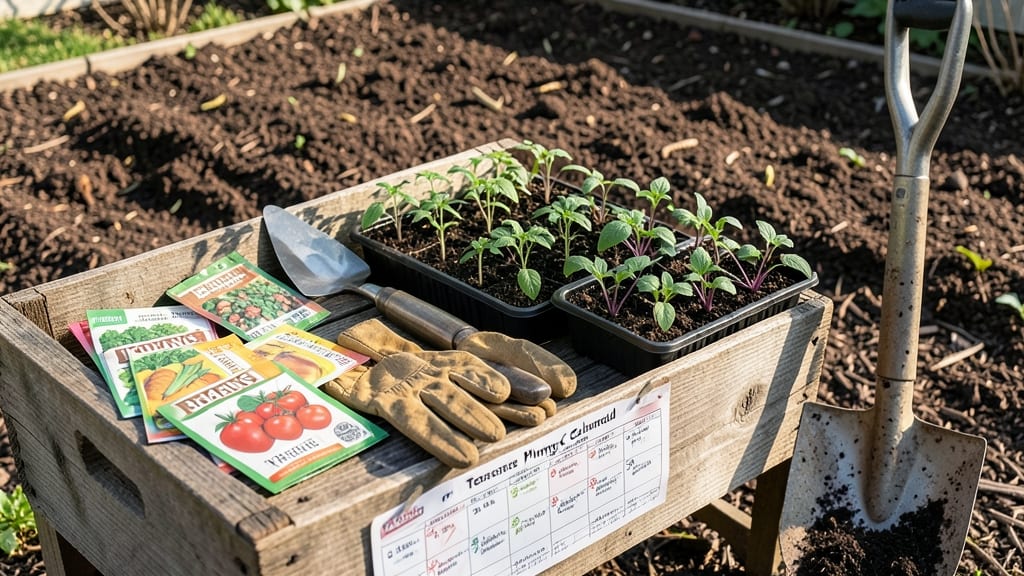
Planting your garden in Tennessee between mid-March and May ensures you beat the heat and frost, but getting those dates wrong can turn your hard work into a flop.
Tennessee’s mild winters and hot summers create a gardener’s paradise—but timing your plantings wrong can mean wasted effort or poor harvests. Missing the optimal window for your zone 8a crops could leave you scrambling to replant or dealing with pests and heat stress.
Cool-season crops like lettuce and broccoli thrive when planted 4-6 weeks before your last frost date, while warm-season favorites such as tomatoes need to go in 2-3 weeks after.
With Nashville’s last frost typically around mid-April and Memphis a week or two later, your exact timing depends on where you garden and which plants you’re growing.
Below, I’ll break down the best planting windows for every crop, how to adjust for microclimates, and pro tips to extend your growing season—so you can enjoy a bountiful harvest without the guesswork.
Tennessee Zone 8a planting calendar: exact deadlines for cool-season crops
If you're growing cool-season crops in Tennessee's Zone 8a, timing is everything. These plants thrive in 50-65°F soil and can't handle summer's heat. Miss the window, and you'll either get stunted growth or bolted greens.
I've planted lettuce and spinach for years in Nashville, and I've learned that even a 2-week delay can ruin your harvest.
Your last frost date in Zone 8a typically falls around mid-April, but this varies slightly between Nashville (warmer microclimate) and Chattanooga (cooler elevations). For spring plantings, start your cool-season crops 4-6 weeks before your last frost date. That means late February to early March for most of Tennessee.
Here’s the key: Soil temperature matters more than air temperature. Use a soil thermometer to confirm your soil is 40-50°F before planting. In Nashville, this usually aligns with late February to early March, while Chattanooga’s cooler climate may push it to mid-March. Don’t rush—cold soil slows germination.
For fall harvests, your goal is to plant 80-100 days before your first frost (usually mid-October). This means late July to early August for most cool-season crops. I’ve had success with broccoli and kale planted in late July, giving me harvests through November’s first frost.
Microclimates play a huge role in Tennessee. Nashville’s urban heat island can delay frost by 1-2 weeks compared to rural areas. Meanwhile, Chattanooga’s higher elevation may see frost 10-14 days earlier. Adjust your planting dates accordingly—check your local UT Extension frost maps for precision.
🌱
For direct-sown crops like lettuce and spinach, aim for soil temperatures below 65°F. If you plant too late, they’ll bolt (send up flowers) before you get a harvest.
I’ve seen this happen when March temperatures spike unexpectedly. To delay bolting, choose heat-tolerant varieties like Black Seeded Simpson lettuce or Tyee spinach.
Warm-season planting in Tennessee: when to start tomatoes, peppers, and more
Tennessee’s warm-season crops like tomatoes, peppers, and cucumbers thrive when planted after the last frost—typically mid-April in most of the state. But rushing too early risks frost damage, while waiting too long can lead to bolting or stunted growth.
The key is balancing soil warmth and air temperature to give your plants the best start.
For tomatoes and peppers, which need 60-80°F soil, I recommend waiting until late April to early May in most of Tennessee. Cucumbers and squash, which prefer slightly cooler soil, can go in a week or two earlier.
Always check your local frost-free date—Nashville’s average last frost is April 15, while Memphis sees it around April 8.
Soil Prep: Test your soil’s pH (aim for 6.0-6.8) and amend with compost or aged manure. Warm-season crops need well-draining, nutrient-rich soil.
Hardening Off: Acclimate seedlings to outdoor conditions over 7-10 days by gradually exposing them to sunlight and wind. Start with 2-3 hours/day and increase daily.
Transplant Timing: Plant tomatoes and peppers 2-3 weeks after last frost when soil temps hit 60°F+. Cucumbers and squash can go in 1 week earlier.
Succession Planting: Sow bush beans or radishes every 2 weeks after your initial planting to extend harvests. This works for cucumbers too in late June.
Avoid Bolting: Keep leafy greens like lettuce cool with shade cloth if temps rise above 80°F. For peppers, use black plastic mulch to retain soil warmth.
One of the biggest mistakes I see is planting tomatoes too early, which can lead to blossom-end rot—a calcium deficiency caused by uneven watering or temperature swings. To prevent this, mulch heavily with straw or grass clippings to keep roots cool and moisture consistent.
I also recommend using drip irrigation instead of overhead watering to avoid fungal diseases.
For succession planting, I like to stagger cucumber and squash plantings every 2 weeks from late May through early July. This ensures a steady harvest and prevents glutting your kitchen.
Pair them with bush beans, which fix nitrogen in the soil—a perfect companion for heavy feeders like tomatoes.
If you’re in West Tennessee (like Memphis), you can push your last planting of peppers or eggplant into early July for a fall harvest. Just be ready to protect plants with row covers if early frosts threaten in September.
In East Tennessee, stick to earlier plantings—your growing season is shorter.
Remember, soil temperature matters more than air temperature. Use a soil thermometer to confirm it’s 60°F+ before planting. If it’s cooler, wait—your seedlings will struggle to establish roots. With the right timing and care, your warm-season garden can produce bumper crops all summer long! 🌱