
Planting
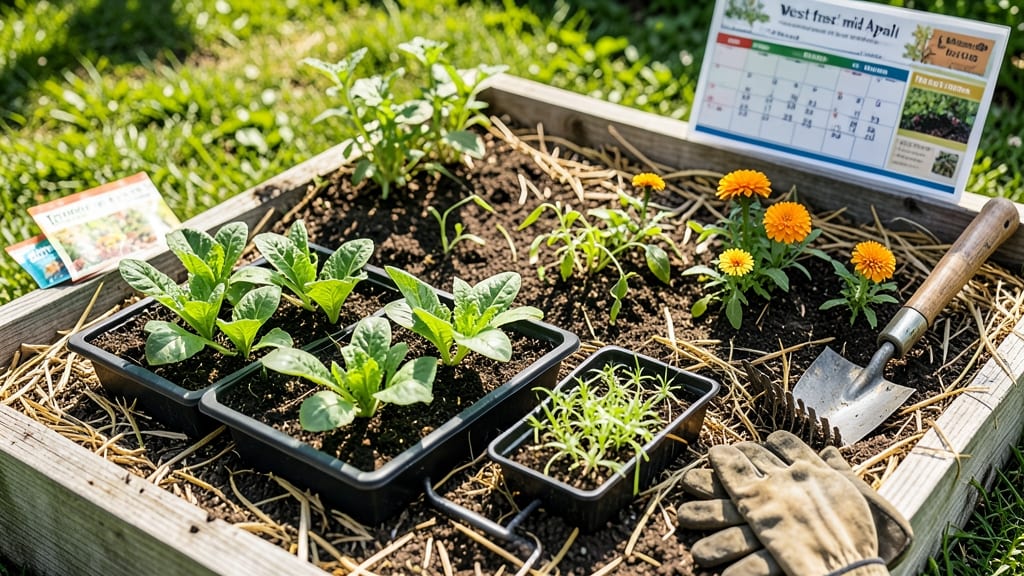
Planting a garden in West Virginia at the right time means the difference between a thriving harvest and a sad, frost-nipped disappointment.
West Virginia’s diverse climate—from the Appalachian highlands to the Ohio River Valley—means your garden’s planting window can vary by hundreds of days. Get the timing wrong, and you’ll risk frost damage or stunted growth. But with the right regional frost date guide, you can maximize your harvest season.
Cool-season crops like spinach and peas need to go in early, while tomatoes and peppers demand warmer soil. I’ll walk you through the exact frost-free dates for your corner of the state, plus how to adjust for elevation and microclimates that can shift your planting window by weeks.
By the end, you’ll know not just when to plant, but how to protect your garden from late frosts, choose the best crops for your area, and even extend your growing season with simple tools. Let’s get your West Virginia garden off to the perfect start!
West Virginia frost dates by region: when to plant cool-season vs warm-season crops
West Virginia's diverse geography creates dramatic differences in frost dates—some valleys may see last spring frosts in March, while mountain regions can experience late May frosts. Understanding your USDA hardiness zone (ranging from Zone 5b to 7a) helps, but local microclimates often matter more.
For example, Charleston's Ohio River Valley warms faster than the Allegheny Highlands near Elkins.
Cool-season crops like lettuce, spinach, and peas thrive when planted 4-6 weeks before your last frost date. Warm-season crops such as tomatoes, peppers, and beans need soil temperatures above 60°F and should wait until 2 weeks after frost.
Below, I’ve broken down five key WV regions with their average frost dates and planting windows to help you plan your garden calendar.
| Region | Avg Last Frost | Avg First Frost | Cool-Season Planting | Warm-Season Planting | USDA Zone |
|---|---|---|---|---|---|
| Northern Panhandle (Weirton, Morgantown) | April 15 | October 20 | March 15 - April 15 | May 1 - May 15 | Zone 6a |
| Eastern Panhandle (Martinsburg, Shepherdstown) | April 10 | October 15 | March 1 - April 10 | April 25 - May 10 | Zone 6b-7a |
| North-Central (Charleston, Clarksburg) | April 5 | October 10 | March 1 - April 5 | April 20 - May 1 | Zone 7a |
| South-Central (Huntington, Bluefield) | March 25 | October 5 | February 20 - March 25 | April 10 - April 20 | Zone 7a-7b |
| Southern (Lewisburg, Beckley) | March 20 | October 1 | February 15 - March 20 | April 5 - April 15 | Zone 7b |
If you’re gardening in mountain areas (like Lewisburg or Elkins), expect 2-3 weeks later than the regional average. Valley gardens near Charleston or Huntington can start planting 1-2 weeks earlier due to warmer microclimates.
Always check soil temperature—cool-season crops need 40-50°F soil, while warm-season crops require 60°F+.
For cool-season crops, start seeds indoors 6-8 weeks before your last frost date. Hardy varieties like kale and peas can handle light frosts, but lettuce and spinach may bolt if temperatures rise too quickly.
In Zone 7a/b areas, you can even plant a fall cool-season garden in August for harvests before frost.
Warm-season crops like tomatoes and peppers need consistent warmth. In Northern Panhandle regions, wait until May 15 to transplant seedlings. For Southern WV, you can start planting by April 10. Always use row covers if late frosts threaten—even 50°F nights can damage young plants.
Pro tip: Use a frost-free date tracker like the National Weather Service’s frost calculator to adjust for your exact location. If you’re unsure, plant heat-loving crops like okra and sweet potatoes after May 15 in most regions—they handle hotter conditions better than tomatoes or peppers.
Remember, elevation changes everything. A garden at 2,000 feet in Pocahontas County may have frost dates 3 weeks later than one at 500 feet in Kanawha County. When in doubt, start with cold-hardy crops and gradually introduce warm-season plants as temperatures rise.
My personal rule? Plant half your warm-season crops by the regional average date and the other half 2 weeks later. This staggered approach ensures you’ll have
How to adjust planting times for West Virginia’s unpredictable spring weather
West Virginia’s spring weather can be as unpredictable as a mountain stream—one day warm enough for planting, the next with a surprise frost that can wipe out tender seedlings.
I’ve learned the hard way that relying on average frost dates alone isn’t enough when temperature swings of 30°F in a week are common. The key is flexibility: knowing how to read your local microclimate and adjust planting times accordingly.
Start by checking the National Weather Service’s frost calculator for your specific ZIP code. Unlike general USDA zone maps, this tool accounts for elevation changes that can shift frost dates by 2-4 weeks between valleys and mountaintops.
For example, my garden in Charleston (Zone 7a) might see last frosts around April 15, while a friend’s garden just 30 miles away in the Allegheny Mountains could face frosts until May 1.
But even with these tools, you’ll need extra strategies. Soil temperature is more critical than air temperature—most warm-season crops like tomatoes need soil to reach 60°F or warmer before planting. I use a soil thermometer to verify readiness, especially in cooler microclimates like northern Panhandle areas where cold air pools.
⚠️ callout warning ⚠️
West Virginia’s average last frost dates can be misleading—30% of springs bring late frosts after the official date. If you plant warm-season crops like peppers or eggplants before May 15 in most regions, you risk severe damage from unexpected cold snaps. Use row covers or cold frames to protect early plantings, but be ready to cover them until nighttime temperatures stay above 50°F consistently.
🌱 Pro Tip: For high-value crops, consider starting seeds indoors 4-6 weeks before your last frost date and use transplant shock reducers like mycorrhizal fungi to help roots establish faster.
One of my favorite tools for extending seasons is floating row covers. These lightweight fabrics raise soil temperatures by 2-8°F and protect against light frosts (28-32°F).
I’ve used them to plant lettuce and spinach as early as March 15 in lower elevations, then remove them when daytime highs reach 70°F. For heavier frosts, I opt for cold frames or even unheated greenhouses in my garden’s shadier spots.
Don’t forget about succession planting—this is how I keep my garden productive through West Virginia’s short growing season. After harvesting early crops like radishes or peas, I immediately sow fast-maturing warm-season crops like bush beans or zucchini.
This way, if my first planting gets nipped by frost, the second one has time to recover and produce before fall sets in.
Finally, keep a garden journal to track your local patterns. Note when frosts occur, how long it takes for soil to warm, and which crops thrive in your specific microclimate. Over time, you’ll develop a personalized planting schedule that beats West Virginia’s unpredictable spring weather.
My journal helped me realize that my garden’s south-facing slope warms 5 days earlier than the north side—knowledge that’s saved me from multiple failed plantings!