
Planting
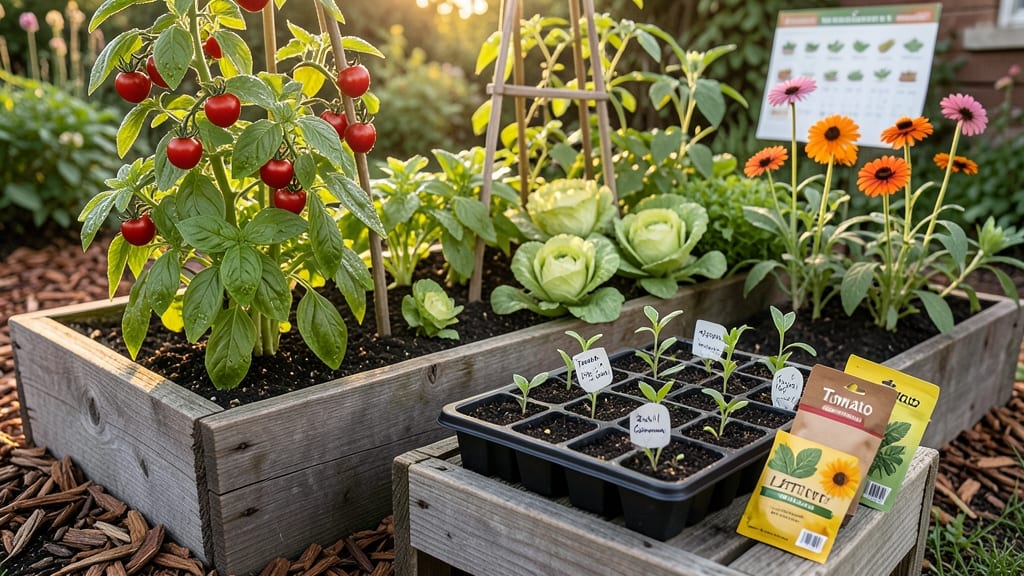
To plant a garden in Zone 7, timing your crops to the last frost date—around March 15—is the key to avoiding frost damage and maximizing your harvest.
Zone 7 gardeners know timing is everything—plant too early and frost strikes, too late and your harvest suffers. But with the right frost-free window, you can maximize yields for vegetables, flowers, and herbs all season long.
Spring is the busiest time, with cool-season crops like lettuce and peas ready to go as soon as the ground thaws, while warm-season favorites like tomatoes and peppers need to wait until after the last frost.
Fall planting offers a second chance for hearty greens and root vegetables before the first frost hits around November 15.
In this guide, I’ll break down the best planting windows for every type of plant, share tips for extending your season, and help you adjust for microclimates so you can grow more—without the guesswork.
Zone 7 frost dates and ideal planting windows by season
Understanding your Zone 7 frost dates is the foundation of successful gardening in this mild but variable climate. With average last spring frost dates around March 15 and first fall frost dates near November 15, you've got roughly 215 frost-free days to grow.
But don't let those averages fool you—microclimates and elevation can shift your planting windows by weeks.
For cool-season crops like lettuce and peas, I start seeds indoors 6-8 weeks before last frost (around early February). Warm-season favorites like tomatoes and peppers need to wait until 2-3 weeks after last frost when soil temperatures consistently hit 60°F.
The key is matching your planting schedule to both air and soil temperatures.
Here's where things get interesting: Zone 7a (colder microclimates) might experience frost until April 1, while Zone 7b areas could be frost-free by March 1.
Elevation changes can add another 1-2 weeks to frost dates every 1,000 feet upward. Always check your local Cooperative Extension Service for precise data.
Your planting windows actually break into three distinct periods: early spring (March), late spring (April-May), and fall (September-October). Each requires different preparation—whether it's hardening off seedlings or protecting tender plants before frost.
| Season | Planting Window | Cool-Season Crops | Warm-Season Crops | Soil Temp |
|---|---|---|---|---|
| Early Spring | March 1-31 | Peas, Lettuce, Spinach, Kale | None (too cold) | 40-50°F |
| Late Spring | April 15-May 15 | Radishes, Carrots, Broccoli | Tomatoes, Peppers, Eggplant | 60°F+ |
| Summer | June 1-August 31 | None (heat-sensitive) | Beans, Cucumbers, Corn, Basil | 70°F+ |
| Fall | September 1-October 15 | Kale, Spinach, Turnips, Radishes | Sweet Potatoes, Pumpkins | 50-60°F |
Notice how cool-season crops actually thrive in both spring and fall windows? That's why I always plant successive crops—starting lettuce in March, again in September, and even a quick radish crop in May.
For warm-season crops, the late May planting window is critical because it gives tomatoes and peppers enough time to mature before frost.
Don't overlook fall planting—it's my secret to extending harvests. I plant kale and spinach in early September and they'll keep producing until hard frost. For warm-season crops like sweet potatoes, I start seeds in late May for a fall harvest before temperatures drop.
The key is working backward from your first frost date.
Microclimates can completely change your planting strategy. A south-facing slope might warm up 2 weeks earlier than your yard's average, while a low-lying area could experience frost 10 days later.
I always test my microclimates by planting cold-hardy arugula in different spots—where it thrives first is where I'll plant warm-season crops earliest.
For elevation adjustments, remember this rule: add 1 week of frost protection for every 1,000 feet above sea level. If you're at 3,000 feet in Zone 7, expect frost until April 15 instead of March 15. This affects everything from seed starting dates to choosing heat-tolerant varieties of tomatoes.
Pro tip: Use frost clocks or local weather station data to track your actual frost dates—averages can be misleading. I've seen years where spring arrives 3 weeks early or fall lingers 2 weeks late
Best plants to grow in Zone 7 by planting time
In Zone 7, your planting schedule makes all the difference between a thriving garden and a disappointing one. The key is matching each plant to its ideal frost-free window—whether that’s early spring, late spring, summer, or fall.
Cool-season crops like kale and peas thrive when temperatures are mild, while tomatoes and peppers need the warmth of summer. Even herbs like basil have specific timing needs to avoid bolting or wilting.
Timing isn’t just about avoiding frost—it’s also about giving plants enough time to mature before heat or cold sets in. For example, planting broccoli too late in spring might mean it bolts before you harvest, while marigolds planted in fall can still bloom beautifully before the first frost.
Let’s break down the best plants for each planting window and why their timing matters.
- Early Spring (March-April): Plant cool-season vegetables like lettuce, spinach, and carrots 4-6 weeks before last frost. These thrive in 50-65°F soil and can tolerate light frosts. Perennials like asparagus and rhubarb also benefit from early planting to establish roots before summer heat arrives.
- Late Spring (May): This is the window for warm-season crops like tomatoes, peppers, and beans. Wait until soil temperatures reach 60°F+ to avoid stunted growth. Herbs such as basil and cilantro also prefer this timing, but cilantro bolts quickly in heat, so plant it early in May.
- Summer (June-July): Focus on heat-tolerant varieties like okra, sweet potatoes, and sunflowers. Succession plant beans and cucumbers every 2-3 weeks for continuous harvests. Marigolds and zinnias planted now will bloom until frost, adding color and repelling pests.
- Fall (August-September): Cool-season crops get a second chance! Plant kale, broccoli, and radishes 8-10 weeks before first frost for a late harvest. Garlic and onions planted in fall will mature next spring. Pansies and calendulas thrive in cooler temps and add autumn color.
For Zone 7 gardeners, understanding these windows helps avoid common mistakes like planting tomatoes too early (they’ll rot in cold soil) or basil too late (it’ll wilt in summer heat).
Pro tip: Use row covers to extend early spring or fall planting for heat-sensitive crops like cucumbers or frost-tender eggplants. This simple trick can add weeks to your growing season!
Don’t forget about perennials like lavender or rosemary, which should be planted in early spring or fall to establish strong root systems before extreme temperatures hit.
These plants reward patience with years of low-maintenance beauty and fragrance. With the right timing, your Zone 7 garden can be productive from spring to frost!
Experiment with succession planting for crops like lettuce or bush beans—sow new seeds every 2-3 weeks to ensure a steady harvest. This method maximizes your space and keeps your kitchen stocked all season long. Happy planting!