
Planting
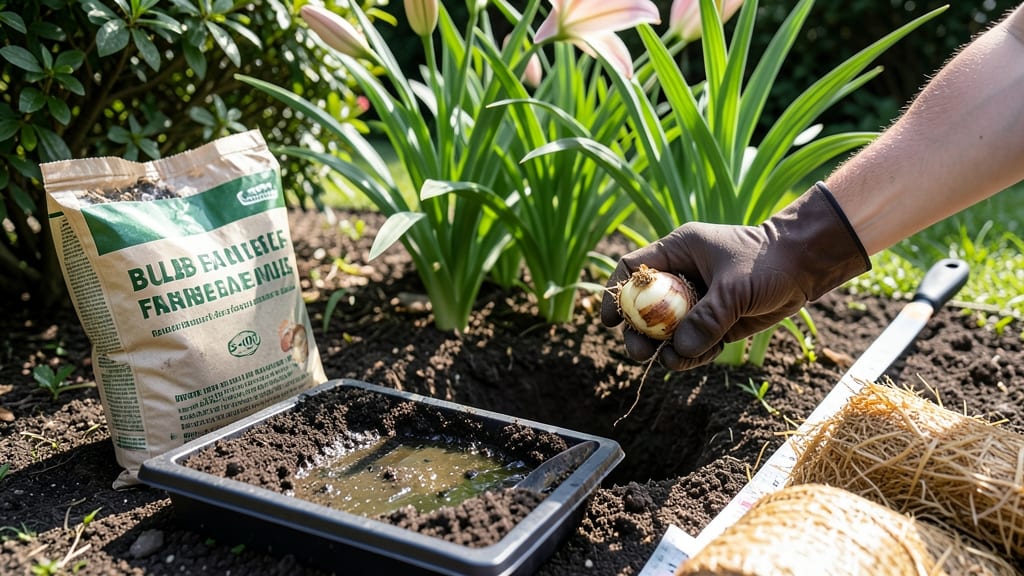
Planting lily bulbs in your garden at the right time ensures vibrant blooms 🌷 and healthy roots—so timing matters more than you might think.
Timing your lily bulb planting wrong can mean the difference between a stunning summer bloom and wasted effort—so knowing the exact frost-free window for your zone and variety is critical.
In USDA Zone 6a, like many gardeners, I’ve learned that fall or early spring are your best bets: 4-6 weeks before the first frost or after the last frost in spring.
Below, I’ll break down the ideal months for your region, how to adjust for early vs. late bloomers, and the 5 mistakes that ruin timing—so you can plant with confidence.
Best planting months for lily bulbs by USDA hardiness zones
Getting your lily bulbs in the ground at the right time is everything—plant too early, and frost will damage them; too late, and they won’t establish roots before summer heat. The ideal window varies dramatically by USDA zone, with fall planting being the gold standard for most climates.
But if you live in warmer zones, early spring planting can also work beautifully. Let’s break it down by zone so you can time your planting perfectly.
Most gardeners swear by fall planting because it gives bulbs time to root before winter dormancy. However, late-blooming varieties (like Oriental lilies) often need a slightly different approach. In colder zones, you might push planting to early spring to avoid winter heaving.
Meanwhile, in warmer zones, fall planting can be risky if rains arrive early. Understanding these nuances ensures your lilies thrive, not just survive.
Here’s your zone-by-zone guide to planting lily bulbs, including microclimate adjustments and the best frost-free windows for each region:
| USDA Zone | Best Planting Window | Soil Temp Trigger | Microclimate Tip |
|---|---|---|---|
| 3-4 | Late August to mid-September (fall) OR early May (spring) | 45-50°F (7-10°C) | Use black plastic mulch to warm soil in spring |
| 5-6 | Mid-September to early October (fall) OR late April (spring) | 50-55°F (10-13°C) | Avoid low-lying areas where frost lingers |
| 7-8 | October to early November (fall) OR February-March (spring) | 55-60°F (13-16°C) | Plant Asiatic lilies earlier for spring blooms |
| 9-10 | November-December (fall) OR January-February (spring) | 60-65°F (16-18°C) | Avoid planting before first rains in winter |
For Zones 3-4, where winters are harsh, I recommend fall planting as your primary strategy—but don’t panic if you miss it. Early spring planting works too, as long as you wait until the soil is workable (around 50°F).
Use a soil thermometer to check; lilies need consistent warmth to root properly. In these zones, Oriental lilies often need the extra time, so plant them slightly earlier than Asiatic varieties.
Gardeners in Zones 5-6 have the most flexibility. Fall planting is ideal, but if you’re late, early spring (after the last frost) is a great backup. Here, I’ve seen late October plantings still thrive if the ground isn’t frozen.
Just avoid planting when the soil is soggy—lily bulbs rot in waterlogged conditions. A quick trick? Amend your soil with sand or perlite to improve drainage if your garden holds moisture.
Warmer zones (7-10) can plant lilies later in the year, but timing matters even more. In Zone 9-10, I’ve had success planting as late as December, but only if the ground isn’t saturated. The key is to plant when soil temperatures are consistently above 55°F.
For spring planting, aim for January-February—this gives bulbs time to establish before summer’s peak heat. Pro tip: Mulch heavily after planting to retain moisture in dry climates.
One common mistake I see? Ignoring microclimates within a zone. A north-facing slope stays cooler longer, while a south-facing bed warms up faster. If you’re in Zone 6 but live in a sheltered microclimate, you might push fall planting to mid-November.
Conversely, if your garden is frost-prone, plant 2-3 weeks earlier than the zone guidelines suggest. Always observe your garden’s unique patterns—your local last frost date is more important than the USDA average.
Another pro tip: Early varieties (like Asiatic lilies) can handle cooler soils, while late bloomers (like Trumpet lilies) need warmer conditions. If you’re unsure, plant a mix in fall and early spring to spread out your blooms.
For example, Asiatic lilies planted in fall will bloom earlier than those planted in spring, giving you a longer season of color. This strategy also reduces the risk of losing all your lilies to one bad planting window.
Finally, don’t forget to prep your soil before planting. Lilies hate soggy feet, so amend heavy clay with compost and grit. A 6-inch layer of mulch after planting helps regulate soil temperature and retain moisture.
Whether you’re planting in fall or spring, consistency is key—lilies reward patience with bold, dramatic blooms that light up your garden from midsummer to early fall.
With these zone-specific guidelines, you’ll never second-guess your lily bulb planting timing again. Happy digging—your future blooms will thank you! 🌷
How to adjust planting time for early vs. late-blooming lily varieties
Not all lilies bloom at the same time, and planting them at the wrong moment can delay—or even prevent—those show-stopping summer flowers. Asiatic lilies (early bloomers) and Oriental lilies (late bloomers) have different soil temperature triggers, which means their ideal planting windows vary by 1-2 months.
Even hybrid lilies (like LA hybrids) need precise timing to thrive.
Most gardeners default to fall planting, but soil temperature—not just frost dates—determines success. Asiatic lilies, for example, prefer cooler soil (50°F), while Oriental lilies need warmer soil (60°F) to establish roots before summer heat.
In marginal climates (like Zone 7b), this difference can mean the difference between a lush display and a missed bloom.
Soil temperature is your best guide: Use a soil thermometer to check 4-6 inches deep. For Asiatics, aim for 45-55°F; for Orientals, wait until 55-65°F. In cooler zones, you might need to plant Orientals in early spring instead of fall to avoid winter stress.
| Variety | Best Planting Window | Soil Temp Trigger | Marginal Climate Tip |
|---|---|---|---|
| Asiatic Lilies | Fall (6-8 weeks before frost) or Early Spring (after last frost) | 45-55°F (7-13°C) | Plant in late fall or early spring if soil stays cold. |
| Oriental Lilies | Early Spring (after soil warms to 55°F) or Late Fall (if soil >60°F) | 55-65°F (13-18°C) | Use black plastic mulch in fall to warm soil faster. |
| LA Hybrids | Fall (6 weeks before frost) or Early Spring (soil 50°F+) | 50-60°F (10-16°C) | Prioritize well-draining soil to avoid rot in wet climates. |
If you’re in a transition zone (like Zone 7-8), consider spring planting for Oriental lilies to avoid winter heaving. Start bulbs in containers indoors 4-6 weeks before your last frost date, then transplant once soil reaches 55°F.
This trick extends your window by 2-3 months in areas with unpredictable frost.
For hybrid lilies, like OT hybrids (Oriental-Asiatic crosses), split the difference: Plant in late fall if your soil warms quickly in spring, or wait until early spring if winters are harsh. Always amend soil with compost to improve drainage—waterlogged roots are the #1 killer of newly planted lilies.
Pro tip: Mark your planting dates on a garden calendar alongside your last frost date. In Zone 5, for example, Asiatics go in by October 1st, while Orientals wait until May 1st.
Adjust by 2 weeks earlier in warmer microclimates (like near a south-facing wall) or later in cooler pockets (like shaded areas).
Remember, lilies are perennials, so getting the timing right now means years of effortless blooms. The key? Soil temperature, not just the calendar. Grab that thermometer, check your zone, and plant with confidence—your future summer garden will thank you! 🌷