
Tools
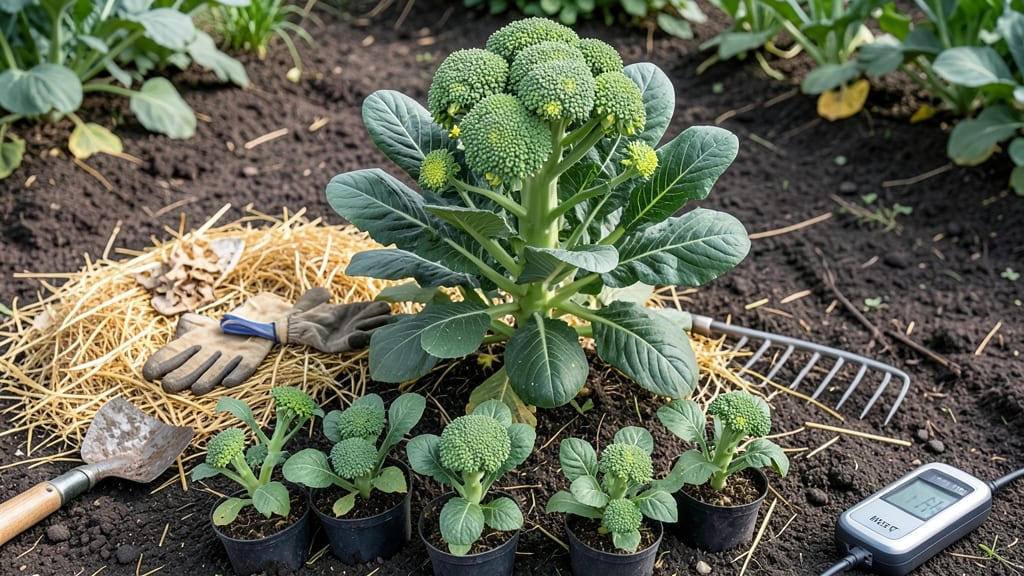
To start a fall garden successfully, you need to begin planting 4-6 weeks before your first frost—usually between late summer and early fall, depending on your zone.
Timing is everything in gardening—plant your fall crops too early, and they’ll bolt in the heat; too late, and frost will ruin your harvest. Here’s your zone-by-zone guide to starting a fall garden with perfect soil prep and planting windows.
Fall garden vegetables like kale, carrots, and broccoli thrive when planted in cooler weather, but they need the right conditions to grow strong before winter sets in. Whether you're in the northern or southern U.S., knowing the ideal window ensures a bountiful harvest.
In this guide, I’ll walk you through the best planting timeline, soil prep tips, and how to avoid common mistakes—so you can enjoy fresh veggies straight from your garden well into winter.
Fall garden planting timeline by US hardiness zones
Timing your fall garden correctly means the difference between a bountiful harvest and wasted effort. Cool-season crops like kale, carrots, and spinach thrive when planted at the right moment—too early, and they’ll bolt in summer heat; too late, and frost will ruin them.
Your USDA hardiness zone dictates when to start seeds indoors, transplant seedlings, and sow directly into the garden. Let’s break down the perfect planting windows for zones 3 through 10, including soil temperature targets and frost-free windows.
Most gardeners focus on spring planting, but fall gardens can be just as productive—and often easier to manage. The key is understanding your first frost date and working backward.
For example, in zone 5, you’ll want to plant broccoli or lettuce by early August to harvest before the first frost in mid-October. In warmer zone 9, you might extend planting into October, but soil prep starts earlier.
Let’s dive into the zone-by-zone details to ensure your fall garden succeeds.
🌱
Now that you know the ideal planting windows, let’s talk about soil preparation. Fall crops need nutrient-rich soil with proper drainage. Before planting, amend your garden beds with compost or well-rotted manure to improve fertility.
Aim for a soil pH between 6.0 and 7.0—most cool-season vegetables prefer slightly acidic to neutral conditions. If your soil is heavy clay, mix in sand or perlite to improve aeration.
In warmer zones like 9 and 10, focus on irrigation to keep soil consistently moist but not waterlogged.
Transplanting seedlings is another critical step. For broccoli or cabbage, start seeds indoors 6-8 weeks before your target transplant date. Harden off seedlings by exposing them to outdoor conditions for 1-2 weeks before moving them to the garden.
Direct sowing works well for radishes and spinach, which germinate quickly in cool soil. Always plant seeds at the depth recommended on the packet—typically 2-3 times the seed’s diameter—and keep them evenly spaced to avoid overcrowding.
💧
Succession planting is your secret weapon for a continuous harvest. Instead of planting all your lettuce or kale at once, stagger plantings every 2-3 weeks to ensure a steady supply.
For example, in zone 6, you might sow spinach on August 1, August 15, and September 1 to enjoy fresh greens through November. This technique also helps prevent pests and diseases from wiping out your entire crop.
Pair fast-growing crops like radishes (ready in 30 days) with slower growers like carrots (ready in 70 days) to maximize space.
Don’t forget to monitor your garden for pests and diseases as fall progresses. Slugs and cabbage worms love tender young plants, so use organic deterrents like diatomaceous earth or ne
Soil preparation checklist for fall vegetables
Fall vegetables like broccoli, kale, and carrots thrive in nutrient-rich soil with the right balance of organic matter and pH levels. Unlike spring planting, fall prep focuses on cool-season crops that need fertile, well-draining soil to withstand early frost.
Start your soil prep 8-10 weeks before your average first frost date to give roots time to establish.
Your soil’s health is the foundation of a successful fall garden. Test your soil’s pH level—most fall vegetables prefer a slightly acidic to neutral range (6.0-7.0). If your soil is too alkaline, add sulfur or peat moss to lower the pH gradually.
For heavy clay soils, incorporate compost or aged manure to improve drainage and aeration.
- ☑️ Test Soil pH (aim for 6.0-7.0)
- ☑️ Add 2-3 inches of compost or aged manure
- ☑️ Mix in 1 cup of 5-10-10 fertilizer per 10 sq ft
- ☑️ Loosen soil to 12 inches deep for root crops
- ☑️ Mulch with straw or leaves to retain moisture
For root vegetables like carrots and beets, break up compacted soil with a garden fork to prevent forked roots. Work in sand or perlite if your soil is heavy clay.
Leafy greens like kale and spinach benefit from a nitrogen boost, so add a balanced fertilizer (like 10-10-10) at planting time. Avoid fresh manure, which can burn tender seedlings.
Don’t forget to remove weeds and debris before amending your soil—these compete with your fall crops for nutrients. If your garden bed is new, consider planting a cover crop like clover or buckwheat in early summer to build soil fertility before fall planting. Cover crops also suppress weeds naturally.
After amending, water the soil deeply to settle amendments and encourage microbial activity. Aim for 1-2 inches of water per week, adjusting for rainfall. Drip irrigation is ideal for fall gardens, as it delivers water directly to roots without wetting foliage (which can promote fungal diseases).
Finally, plan your planting layout based on mature sizes—crowded plants lead to poor air circulation and disease. Use raised beds if your native soil is poor, as they warm up faster in spring and drain better in fall.
With the right soil prep, your fall garden will reward you with vibrant greens, crisp roots, and sweet harvests before winter sets in. 🌱