
Planting
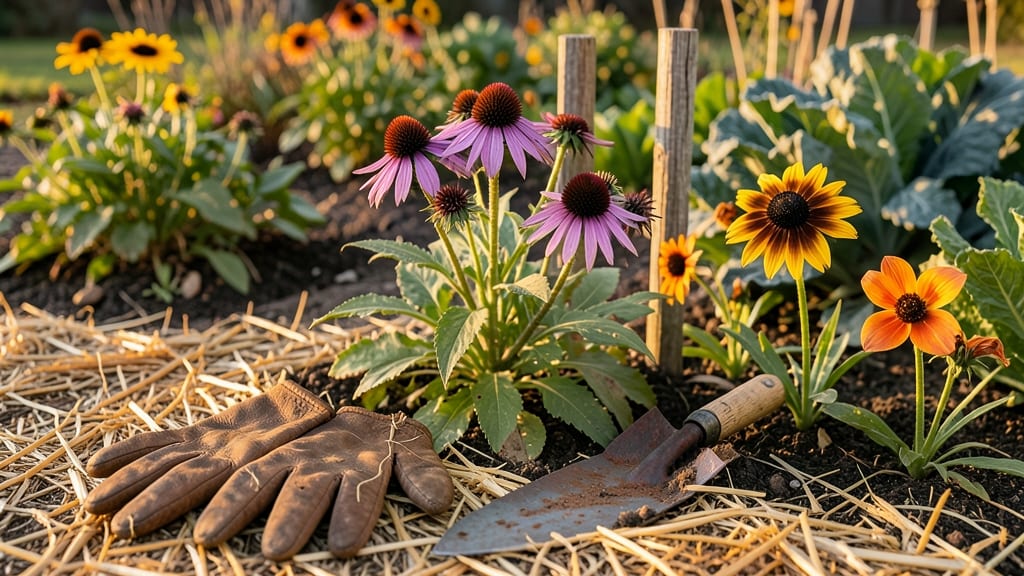
Zone 5B gardening thrives with a strategic planting timeline—start cool-season crops like spinach and peas in early spring, transition to heat-lovers (tomatoes, peppers) after last frost (mid-May), and plant fall crops (kale, carrots) by late July. Frost-resistant perennials like lavender and coneflowers anchor year-round success.
In Zone 5B, your planting success hinges on understanding frost patterns—cool-season crops like broccoli and arugula can handle light frosts, while tender plants like basil need to wait until soil temperatures hit 55°F or warmer. 🌱 The key is monitoring local frost dates, which can shift by weeks depending on elevation or urban heat islands.
For example, Denver's last frost typically arrives two weeks earlier than Chicago's, so adjust your schedule accordingly.
Beyond vegetables, perennials like Russian sage and catmint thrive in Zone 5B's climate, offering low-maintenance beauty that returns year after year. These plants not only survive winter but often bloom more vigorously in spring, making them a gardener's secret weapon for year-round interest.
Pair them with cool-season crops in early spring for a vibrant, layered look.
💡 In This Article
- Understanding Zone 5B Climate and Frost Dates
- Best Frost-Resistant Crops and Perennials for Zone 5B Gardens
Understanding zone 5B climate and frost dates
Zone 5B's planting windows are dictated by two critical frost benchmarks: the average last spring frost (typically between mid-April and mid-May) and the first fall frost (usually arriving mid-September to mid-October).
These dates create a 180-day growing season for tender annuals, but the real magic happens in how microclimates within this zone can extend or shorten those windows.
For instance, urban areas like Chicago often experience later spring frosts due to heat retention from buildings, while rural areas may warm up faster.
The USDA's Zone 5B classification represents a 10-15°F coldest winter temperature range (-15°F to -10°F), but what truly matters for gardeners is the soil temperature. Cool-season crops like broccoli and peas can tolerate light frosts, but their roots need soil temperatures above 40°F to thrive.
Heat-lovers such as tomatoes and peppers, however, require soil to reach 60°F+ before planting—this is why waiting until after the last frost (when nighttime lows consistently stay above 32°F) is non-negotiable.
Here's what's actually happening in your garden: Frost forms when water vapor in the air freezes directly into ice crystals, and this process is accelerated by clear nights and calm winds.
In Zone 5B, this typically occurs 3-4 times per year, with the most damaging frosts happening in late spring when tender new growth is most vulnerable. 🌱 The solution?
Use frost cloth or row covers to protect seedlings during these critical transition periods, especially when nighttime temperatures dip to 30-32°F.
Microclimates within Zone 5B can create 2-3 week variations in frost dates. South-facing slopes warm up faster than north-facing areas, while bodies of water (like lakes or rivers) create localized cooling effects. For example, Denver's last frost often arrives 2 weeks earlier than in nearby Boulder due to elevation differences.
Always check your specific local frost date records—they're more accurate than general zone guidelines.
What most gardeners don't realize is how plant hardiness zones interact with frost dates. While Zone 5B plants can survive winter temperatures, their active growth period is limited by frost. This is why succession planting—sowing new crops every 2-3 weeks after the last frost—maximizes your harvest potential.
For instance, you can plant lettuce in early spring, again in late summer, and even get one more harvest before the first frost.
Consider these key factors when planning your frost-sensitive crops:
- Soil temperature: Use a soil thermometer to verify when it reaches 55°F for warm-season plants
- Nighttime lows: Monitor 32°F thresholds—this is your true frost warning
- Plant maturity: Calculate backward from first frost to determine when to sow
- Microclimate protection: Use cold frames or black plastic mulch to extend seasons
For example, if your first frost is October 15th and your pepper plants need 90 days to mature, you must plant them by July 15th—but only when soil temperatures are consistently above 60°F. This precision is what separates successful Zone 5B gardens from frustrating failures. ✨