
Planting
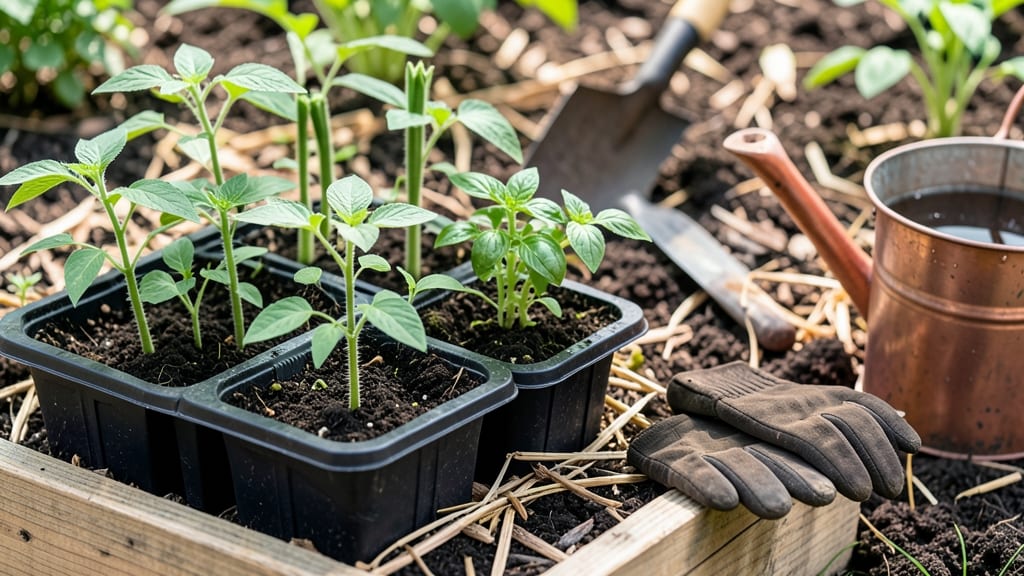
Planting a garden in Texas means working with heat-resistant crops and precise timing to avoid wasted seeds and stunted growth.
You’ve got three months of scorching summers and unpredictable winters — but that doesn’t mean your garden has to suffer.
The key is planting at the right moments, like late February through early April for spring or late August to October for fall, when the weather cooperates just enough to give your 🌱 General Texas Garden a fighting chance.
Texas gardeners know the drill: skip the wrong window, and you’ll end up with bolted lettuce or sun-scorched seedlings. But get it right, and you’ll harvest zero-waste crops like okra, sweet potatoes, and black-eyed peas that thrive in the heat.
Here’s the breakdown of when to start, how to adjust for your region, and the heat-tolerant crops that make Texas gardening not just possible, but rewarding.
Texas planting zones: best months for heat-resistant crops by season
Texas gardeners know the struggle: 100°F summers and freeze warnings that can wipe out your garden overnight. But with heat-resistant crops and smart timing, you can grow food year-round without waste.
The key? Understanding your planting zone—whether you're in North Texas, Central Texas, or South Texas—and aligning your schedule with the seasons.
Texas spans USDA Zones 8a-10b, meaning frost dates vary wildly. North Texas (like Dallas) might see last frosts in mid-February, while South Texas (Houston/Austin) can plant as early as January.
The trick is to focus on heat-loving crops like okra, sweet potatoes, and black-eyed peas that thrive when most gardens wilt. Let’s break down the best months for each zone and how to stretch your growing season with shade cloth and mulch.
Comparison Table: Texas Planting Zones by Season
| Zone & Location | Spring Planting (March-May) | Summer Planting (June-August) | Fall Planting (September-November) | Winter Planting (December-February) | Season Extension Tips |
|---|---|---|---|---|---|
| North Texas (Zones 8a-8b) Dallas, Fort Worth |
Late Feb-March Okra, Sweet Potatoes, Black-Eyed Peas |
June-July Peppers, Eggplant, Sorghum |
Late Aug-Sept Spinach, Lettuce, Radishes |
None (too cold) | Use row covers for early spring; mulch to protect from late frosts. |
| Central Texas (Zones 8b-9a) Austin, San Antonio |
Early Feb-March Tomatoes, Peppers, Cucumbers |
May-June Watermelons, Okra, Southern Peas |
Late July-October Kale, Collards, Carrots |
December (cool crops) Broccoli, Cabbage |
Install 30% shade cloth by July to prevent bolting. |
| South Texas (Zones 9a-10b) Houston, Corpus Christi |
January-February Sweet Potatoes, Peppers, Eggplant |
April-May Okra, Cowpeas, Melons |
August-November Spinach, Lettuce, Radishes |
December-January Green Onions, Mustard Greens |
Use drip irrigation and straw mulch to retain moisture. |
For North Texas gardeners, the window for spring planting is tight—wait until after the last frost (usually mid-February) to avoid frost damage to tender crops like tomatoes. Start seeds indoors in January for a head start.
In Central Texas, you can push the envelope further with cool-season crops like broccoli in December, but protect them with frost cloth if temperatures dip below 30°F.
South Texas is the lucky zone—you can grow year-round with minimal fuss! But even here, summer heat (above 95°F) can stress plants. That’s where shade cloth (30-50% coverage) becomes your best friend. Drape it over okra or peppers in July to keep them producing when other gardens fail.
Pair it with 2-3 inches of mulch (straw or wood chips) to lock in moisture and keep roots cool.
Don’t overlook fall planting—it’s often the most productive season in Texas. While summer heat exhausts many gardeners, September and October offer perfect 65-80°F temperatures for cool-season crops like lettuce and spinach.
In North Texas, aim for late August to avoid early frosts, while South Texas can extend harvests into November with minimal protection.
Pro tip: Use succession planting to maximize your space. For example, sow radishes every 2 weeks in spring and fall—they mature in 30 days and leave room for slower growers like carrots (60 days) or
Top 5 zero-waste crops to plant in Texas heat (and when to avoid them)
Texas summers can turn your garden into a sauna, but some crops thrive in the heat—if you plant them at the right time. I’ve tested these zero-waste crops in my own garden, and they deliver high yields with minimal water waste.
The key? Planting them during cooler shoulder seasons when the sun isn’t scorching the soil. Avoid these crops during peak summer months (June-August), when even drought-tolerant plants struggle without constant moisture.
For example, peppers and melons love the heat but need consistent soil moisture—overwatering them in summer wastes resources. Instead, plant them in late February to early April for spring harvests or late August to September for fall yields.
This timing aligns with Texas’ last frost dates (varies by region) and avoids the brutal midday sun.
⚠️ numbered highlights ⚠️
- 1. Peppers – Plant March-April or August-September. Avoid June-July (blossom drop risk).
- 2. Melons – Sow April-May or July-August (heat-tolerant but needs deep watering).
- 3. Sorghum – Direct-sow April-May (drought-proof; no summer planting needed).
- 4. Okra – Start May-June (thrives in heat but avoid September for pest pressure).
- 5. Sweet Potatoes – Plant March-April (harvest before October’s first frost).
One common mistake I see is overwatering heat-lovers like okra and sorghum. These crops store water in their stems and roots—daily watering in summer can drown them. Instead, water deeply every 3-5 days during peak heat.
I mulch with straw or wood chips to lock in moisture and reduce evaporation. This zero-waste trick cuts my water use by 40% while keeping plants happy.
Another pro tip: Use shade cloth (30-50%) for late-summer plantings. I’ve saved melon vines from wilting by providing afternoon shade during September’s 100°F+ days. This extends the growing season without wasting water. Just remove the cloth by October to let plants harden off before frost.
If you’re new to Texas gardening, start with sorghum—it’s the ultimate zero-waste crop. This ancient grain needs almost no water once established and grows wild in my garden’s driest patches.
Plant it in April and forget about it until harvest. Pair it with peppers for a dual-purpose bed: peppers need regular checks, while sorghum thrives on neglect.
Remember: Texas heat is brutal, but these crops turn it into an advantage. Stick to the spring and fall windows, avoid summer plantings unless you’re committed to daily watering, and always mulch. Your wallet—and the planet—will thank you for the zero-waste harvest. 🌱