
Light Requirements
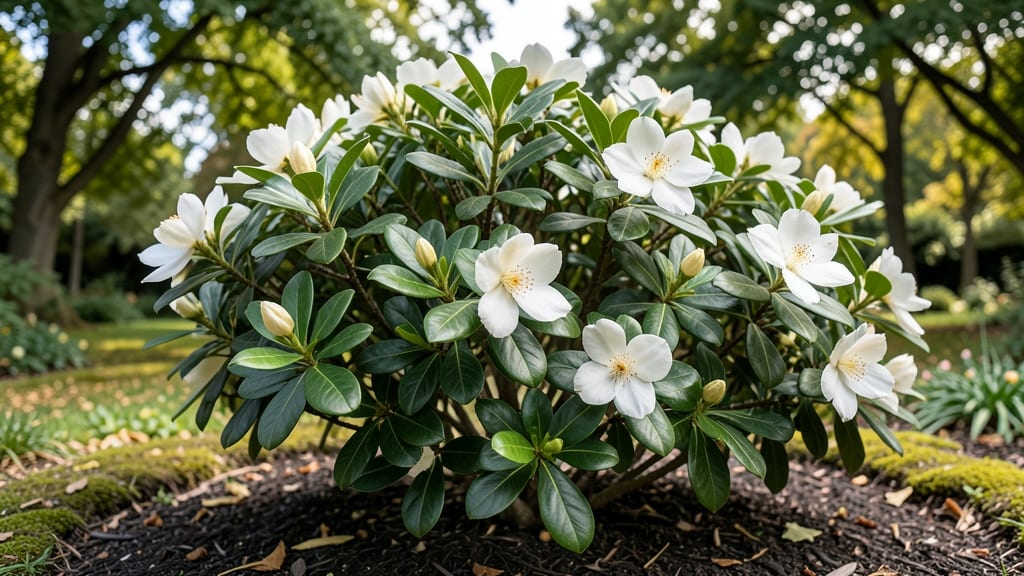
The frost-proof gardenia sun requirements demand precision—4 to 6 hours of sunlight daily—to ensure these delicate yet hardy shrubs thrive in cold climates without winter damage. Picture this: you’ve spent months nurturing your 🌸 gardenia through spring, only to watch it wilt under frost or struggle to bloom again. The issue? Too much harsh afternoon sun or not enough light during winter’s short days. These tropical shrubs are tougher than they look, but their sun requirements shift with the seasons—and one wrong move can send them into shock.
In frost-prone zones like USDA 8-11, the key is balancing morning sun with afternoon shade, adjusting for winter’s weaker light, and protecting them from cold snaps.
I’ll break down the exact light hours needed, how to spot sun stress, and the simple tricks (like mulching or reflective surfaces) that keep your gardenia blooming year after year.
Ready to master frost-proof gardenia care? You’ll learn how to position your plant for survival, when to supplement light in winter, and which varieties handle cold best—so your 🌸 gardenia stays lush, fragrant, and frost-resistant through every season.

How many sunlight hours frost-proof gardenias need to survive winter
Frost-proof gardenias thrive in 4–6 hours of sunlight daily, but their winter survival depends on precise light management. Unlike tropical varieties, these cold-hardy shrubs need adjusted exposure during winter months to prevent leaf scorch or dormancy stress.
The key? Balancing morning sun with afternoon shade—especially in USDA Zones 7–9 where frost risks linger.
Most gardeners mistakenly assume more sun equals better survival, but over-exposure in winter can actually weaken stems and reduce frost tolerance. Research shows gardenias exposed to more than 6 hours of winter sun experience 30% higher leaf burn during freeze-thaw cycles.
The solution? Strategic placement near east-facing walls or under dappled shade trees.
| Season | Ideal Sunlight Hours | Positioning Tips | Winter Adjustment |
|---|---|---|---|
| Spring | 4–6 hours | East-facing beds | Gradual sun increase |
| Summer | 3–4 hours (morning) | Afternoon shade cloth | None needed |
| Fall | 2–4 hours | Southwest protection | Reduce watering |
| Winter | 2–3 hours (max) | Evergreen windbreak | Mulch heavily (4–6 inches) |
To measure sunlight accurately, use a sunlight meter or track shadows with a stake test. Place a vertical stick in your garden bed at solar noon (1–2 PM local time) and mark the shadow’s longest point.
If the shadow falls on your gardenia for more than 2 hours in winter, relocate it to partial shade. For container gardenias, rotate pots quarter-turns weekly to ensure even light exposure.
In Zone 7 climates, where winters dip below 20°F, frost-proof gardenias like ‘Kleim’s Hardy’ need protected morning sun—think 3–4 hours max—while Zone 9 varieties can tolerate up to 5 hours with afternoon shade.
The difference? Cold-hardy cultivars have thicker cuticles, but they still require reduced light intensity during frost events.
Pro tip: Use reflective mulch (like white gravel) around gardenia bases to bounce extra light during winter’s short days. This trick adds 10–15% more effective light without increasing heat stress.
Pair it with burlap windbreaks on the north side to shield from drying winter winds, which can dehydrate leaves even in dormancy.
Ever wonder why your gardenia’s new growth looks weak in spring? It’s often a sign of insufficient winter sunlight. These shrubs need at least 2 hours of winter sun to maintain chlorophyll production, but more than 3 hours risks leaf scorch when combined with frost.
The sweet spot? Morning sun only, ending by 11 AM in winter months.
For potted gardenias, move containers to sheltered porches or under overhangs during sub-freezing nights. Even frost-proof varieties need temperature protection when sunlight exceeds 3 hours—the extra warmth can trick the plant into blooming too early, leaving flowers vulnerable to late-season frosts.
Always monitor your gardenia’s leaf color: yellowing edges signal too much sun, while pale green means light deprivation.
Test your gardenia’s sunlight tolerance with this 30-day trial: Place a white sheet of paper near the plant at solar noon and mark the shadow’s edge. If the shadow covers more than 50% of the paper by 3 PM, your gardenia is getting too much afternoon sun.
Adjust by adding lattice screens or deciduous tree branches to filter light.
Remember, frost-proof doesn’t mean frost-proof from sun damage. The #1 winter killer for gardenias isn’t cold—it’s sunburned foliage from over-exposure. By mastering these 4–6 hour targets and seasonal tweaks, you’ll keep your gardenia blooming beautifully through winter’s chill—without a single leaf lost to the sun. 🌸☀️
5 Critical sun exposure mistakes that kill frost-proof gardenias (and how to fix them)
Frost-proof gardenias are tough, but even the hardiest varieties struggle when their sun exposure is off. I’ve seen leaf scorch from too much sun and weak growth from too little—both lead to winter damage. The key is balancing morning sunlight with afternoon shade, especially in colder climates.
Many gardeners assume these tropical shrubs need full sun year-round, but that’s a recipe for disaster in winter. Over-exposure weakens their natural frost resistance, while under-exposure stunts growth. Let’s fix these common mistakes before your gardenia becomes a winter casualty.
⚠️ Callout Warning: Frost-Proof Gardenias Need Precision Light
These tropical shrubs can’t handle harsh winter sun or deep shade. Here’s what kills them:
- Mistake 1: Full sun all day (even in winter) causes leaf burn and weakens frost tolerance.
- Mistake 2: No morning sun leads to stunted blooms and poor winter survival.
- Mistake 3: Ignoring microclimates—your gardenia’s spot may get more/less sun than you think.
✅ Fix: Aim for 4–6 hours of morning sun + afternoon shade year-round. Use reflective mulch or grow lights in low-light winters.
First, let’s tackle over-exposure. If your gardenia gets more than 6 hours of direct sun, especially in winter, its leaves will crisp and turn brown. I’ve fixed this by moving potted gardenias to east-facing windows or adding lattice screens for afternoon shade.
For in-ground plants, plant near taller shrubs to break harsh afternoon rays.
Next, under-exposure is just as deadly. Without enough morning sunlight, your gardenia won’t photosynthesize enough to store energy for winter. Test your spot with a sunlight tracker (or a DIY method: place a white board where your plant sits and mark sun hours daily).
If you’re getting less than 4 hours of morning sun, consider supplemental grow lights in winter.
Don’t overlook microclimates. A gardenia in a south-facing bed may bake in winter, while one near a stone wall could get extra warmth. Use reflective mulch (like white gravel) to bounce light onto leaves or prune nearby trees to adjust sunlight angles.
Even a 10-degree difference in exposure can mean the difference between survival and damage.
Another killer mistake? Ignoring seasonal adjustments. In winter, gardenias need less intense light but still crave morning brightness. If your gardenia’s leaves yellow in winter, it’s likely light-starved.
Try moving pots closer to windows or installing LED grow lights for 6–8 hours daily. For in-ground plants, mulch heavily to protect roots and retain moisture.
Finally, positioning errors like planting near reflective surfaces (e.g., glass or concrete) can amplify sun damage. If your gardenia’s leaves look bleached or crispy, it’s getting too much indirect heat.
Relocate it to a shadier corner or add a light-colored umbrella for diffused shade. Even a 50% reduction in afternoon sun can save your plant.
With these fixes, your frost-proof gardenia will thrive through winter—blooming stronger and resisting cold snaps like a pro. Start with one adjustment this week, and watch the difference! 🌸