
Planting
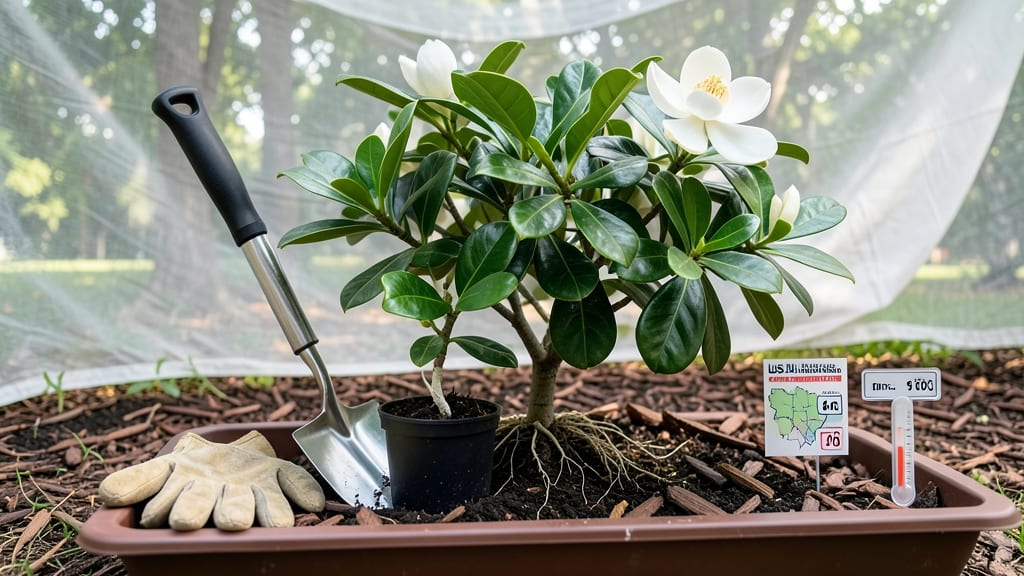
Gardenia planting zones include USDA zones 7 through 11, where winter temperatures stay above 10°F (-12°C). Plant them in spring after frost passes for strong root growth and abundant blooms, using acidic, well-draining soil with a pH of 5.0 to 6.5.
These zones reflect gardenias' sensitivity to cold—they can't tolerate frost or temperatures below 32°F (0°C), which often causes bud drop and leaf damage. 🌸 In warmer zones like 9-11, they thrive year-round with minimal protection, while gardeners in zone 7 need to plant in containers or use winter mulch.
The soil's acidity is just as critical as climate, since alkaline conditions lock out essential nutrients like iron, leading to yellowing leaves even if the plant survives.
For gardeners outside these zones, creating a microclimate—like planting near south-facing walls or using black plastic mulch—can extend the growing season. Container gardening with insulated pots also works well, letting you move plants indoors during cold snaps.
The key is mimicking their native tropical environment, where they receive bright, indirect light and consistent moisture without waterlogging.
💡 In This Article
- Ideal Climate and Microclimate Conditions for Gardenias
- Step-by-Step Guide to Preparing Soil for Gardenias
Ideal climate and microclimate conditions for gardenias
Gardenia plants originate from tropical and subtropical regions, where they experience consistent warmth and high humidity—conditions that explain why they struggle in colder climates. Their leaves and buds contain delicate membranes that rupture when exposed to temperatures below 40°F (4°C), causing the classic "bud drop" phenomenon.
Even brief cold snaps below 32°F (0°C) can trigger irreversible damage, as the plant's cellular structure freezes and thaws unevenly, leading to brown, crispy foliage.
Their ideal temperature range for active growth is 65-85°F (18-29°C), with nighttime temperatures never dipping below 55°F (13°C). In zones 9-11, gardenias enjoy year-round growth with minimal stress, but in zone 7—the northern limit of their hardiness—they enter a semi-dormant state during winter.
This is why gardeners in marginal zones often see stunted growth or sparse blooms unless they take protective measures. Humidity plays a critical role too; gardenias thrive at 50-70% relative humidity, which is why indoor gardening or greenhouse setups work well in drier climates.
Creating a microclimate can extend gardening opportunities for cooler regions. For example, planting near a south-facing wall absorbs and radiates heat, raising soil temperatures by 5-10°F (3-6°C) compared to open ground. Another trick is using black plastic mulch, which warms the root zone by 2-4°F (1-2°C)
Container gardening offers even more flexibility—insulated pots wrapped in burlap or moved indoors during cold snaps can protect roots from temperature swings that would otherwise stress the plant. Sunlight requirements are equally precise: gardenias need bright, indirect light for at least 6 hours daily, but direct afternoon sun can scorch their glossy leaves. In hot climates like zone 10, afternoon shade becomes essential to prevent leaf burn. The balance between light and temperature creates the perfect environment for their signature creamy-white, intoxicatingly fragrant blooms, which only form when the plant feels secure and well-nourished. For gardeners in zone 7, winter protection is non-negotiable. A thick layer of 4-6 inches of mulch (like pine straw or shredded bark) insulates roots from ground freeze-thaw cycles. In extreme cases, wrapping the entire plant in burlap and moving it to a sheltered location can save it from winterkill. The goal is to mimic their native tropical forest understory, where they receive dappled sunlight and high humidity year-round. What most people overlook is how wind stress exacerbates cold damage. Gardenias' large, glossy leaves act like sails, and even gentle breezes can desiccate them in dry climates. Installing a windbreak—like a lattice fence or evergreen hedge—creates a buffer that maintains stable microclimatic conditions. This is particularly important in coastal zone 7 areas, where ocean winds can drop temperatures faster than inland locations.