
Plants
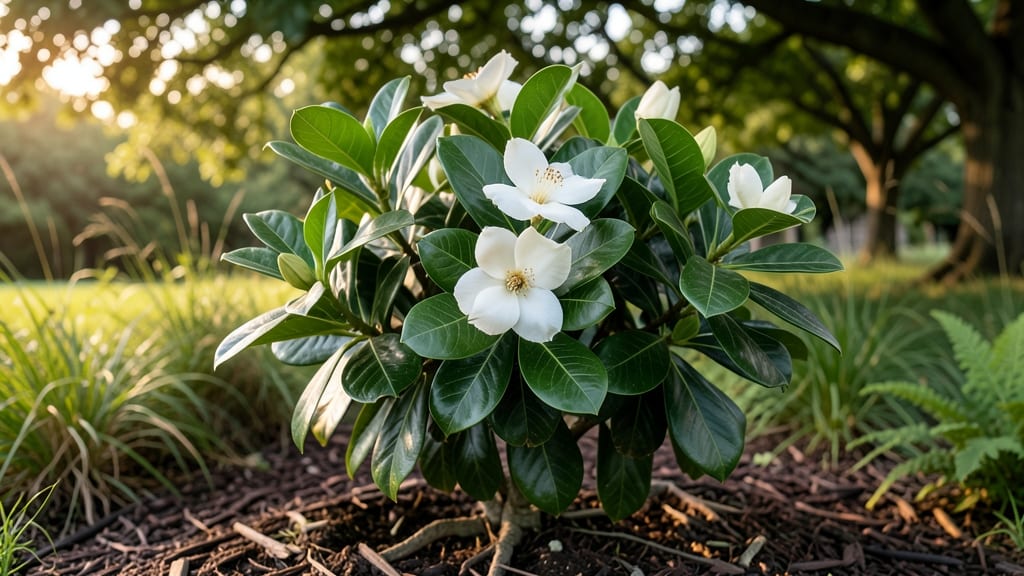
Gardenia plants bloom when they reach maturity and conditions align—typically between late spring and early summer in temperate zones, but with the right care, they can flower year-round.
If you’ve ever planted a gardenia dreaming of its intoxicating scent filling your garden, you’ve probably wondered: Why isn’t it blooming yet? Gardenias are finicky but rewarding—when (and if) they flower depends on light, care, and even your climate.
In USDA Zone 6a, like much of the Midwest, gardenias 🌸 usually burst into creamy-white blooms in May or June, riding the wave of warmer temperatures and longer daylight. But in warmer climates, like Florida or California, they can bloom almost nonstop if given the right conditions.
Here’s the secret to timing their blooms: balancing sunlight, soil acidity, and fertilizer—plus a few tricks to push those fragrant buds earlier or keep them coming. Let’s break down what triggers gardenias to bloom and how you can coax them into flowering on your schedule.
Natural blooming seasons for gardenia plants by climate Zone
Understanding your climate zone is key to predicting when your gardenia plant will bloom. These tropical beauties thrive in warmth and humidity, but their bloom cycles shift dramatically depending on where you live.
In USDA Zones 9-11, gardenias often flower year-round, while temperate zones (6-8) see peak blooms in late spring and summer. Let’s break down the natural bloom windows by region.
Daylight hours and temperature are the primary triggers for gardenia blooming. In tropical climates, consistent warmth and 12+ hours of daylight keep them blooming continuously. Meanwhile, temperate gardenias need a cool winter rest period to trigger spring blooms.
Even in warm zones, a brief temperature drop can signal new flower buds to form.
Here’s how your USDA hardiness zone affects bloom timing:
| Climate Zone | Primary Bloom Season | Daylight Needs | Temperature Range |
|---|---|---|---|
| USDA Zones 9-11 (Tropical) | Year-round (peaks spring-fall) | 12+ hours daily | 70-90°F (21-32°C) |
| USDA Zones 8 (Southern) | Late spring to early fall | 10-12 hours (longer days) | 60-85°F (15-29°C) |
| USDA Zones 7 (Transitional) | May-July (with dormancy) | 8-10 hours (spring/summer) | 50-80°F (10-27°C) |
| USDA Zones 6 (Northern Limit) | June-August (container-only) | 6-8 hours (limited) | 40-75°F (4-24°C) |
Note: Container gardenias in cooler zones may bloom 2-4 weeks later than in-ground plants.
In tropical zones (9-11), gardenias often produce continuous blooms if given proper care. The key is maintaining consistent moisture and humidity—these plants love morning misting or placing trays of water nearby.
I’ve seen gardenias in Florida and Hawaii bloom almost nonstop, with new flowers replacing old ones every 2-3 weeks.
For USDA Zone 8 gardeners, late spring is prime bloom time, but a light frost warning can shock the plant and delay buds. To protect your gardenia, move potted plants to a sheltered spot or cover them with frost cloth.
In my Zone 8a garden, I’ve learned that mulching heavily in winter helps insulate roots and encourages earlier spring blooms.
In cooler zones (6-7), gardenias are typically grown as container plants and brought indoors before frost. Their bloom window shrinks to June-August, but you can extend it by providing bright indirect light (like an east-facing window) and supplemental grow lights in winter.
I’ve had success with LED grow bulbs to simulate longer daylight hours.
One common myth is that gardenias only bloom once per year. While this is true for temperate climates, tropical varieties can produce multiple flushes if given the right conditions.
The secret? Balanced fertilization with phosphorus-rich food (like a 10-10-10 mix) during bud formation. Avoid high-nitrogen fertilizers, which encourage leafy growth at the expense of flowers.
If your gardenia isn’t blooming on schedule, check for stress signs like yellow leaves or leaf drop—these often mean root bound conditions or poor drainage. I once had a gardenia that refused to bloom until I repotted it in fresh, acidic soil and trimmed back overcrowded roots.
The difference was immediate: within 6 weeks, it produced dozens of buds.
For gardeners in Zone 6 and colder, consider dwarf varieties like ‘Kleim’s Hardy’—they’re bred to tolerate shorter growing seasons and still produce fragrant blooms in containers. These varieties often bloom 1-2 weeks earlier than standard gardenias because they’re less sensitive to temperature fluctuations.
No matter your zone, the best time to plant gardenias is early spring, after the last frost. This gives roots 3-4 months to establish before the first cool snap. In my Zone 7 garden, I plant mine in March and see first buds by late May.
Patience is key—young gardenias may take 2-3 years to reach full bloom potential.
How to force gardenias to bloom out of season (proven tricks)
Gardenias naturally bloom in late spring to early summer, but with the right tricks, you can extend their flowering season or even trigger blooms outside their usual cycle. The key lies in manipulating their light exposure, nutrient balance, and dormancy periods.
I’ve successfully forced blooms in winter months by adjusting care routines—here’s exactly how to do it.
Most gardenia varieties need 12-14 hours of daylight to set flower buds, but they also require a period of cooler temperatures to break dormancy. In warmer climates, this natural cycle gets disrupted. By replicating these conditions artificially, you can coax blooms at any time.
Start with light adjustments—move potted gardenias to a south-facing window or under grow lights for 14-16 hours daily during winter.
Adjust Light Exposure
Extend daylight to 14-16 hours using grow lights. Place lights 12-18 inches above the plant for 10-12 hours daily in winter months.
Use Phosphorus-Rich Fertilizer
Switch to a 10-20-10 or 5-10-5 fertilizer (high phosphorus) 3 months before desired bloom time. Apply every 4-6 weeks during growing season.
Simulate Dormancy Period
Reduce watering and move plants to 50-60°F for 4-6 weeks to mimic winter. This resets the plant’s bloom cycle for spring-like flowering.
Prune Strategically
Prune after blooming to remove dead or weak growth. Avoid heavy pruning in late summer—this can delay next year’s flowers.
Maintain Acidic Soil
Test soil pH—gardenias thrive in 5.0-6.5 range. Amend with sulfur or peat moss if needed. Avoid lime or wood ash.
Timing is everything when forcing blooms. For winter flowering, start your light adjustments in early fall (October-November) and apply phosphorus fertilizer in December. If you want summer blooms, begin light treatments in late spring and fertilize in early June.
Avoid nitrogen-heavy fertilizers—they promote leafy growth but delay or prevent blooming.
One common mistake gardeners make is overwatering during dormancy. While gardenias love moisture, soggy soil during their cool rest period can rot roots and prevent bud formation. Water lightly every 2-3 weeks in winter, keeping soil barely moist.
Another pitfall is inconsistent light exposure—gardenias need predictable daylight cycles to set buds. Use a timer for grow lights to maintain consistency.
For container gardenias, consider moving them indoors during cool months if you live in a USDA Zone 7 or colder. Place them near a sunny window or under grow lights and maintain 60-70°F temperatures.
This mimics their natural tropical environment while still allowing you to control bloom timing. With patience and precision, you can enjoy year-round gardenia blooms—even in the dead of winter.
Remember, forcing blooms requires consistent care. If your gardenia skips a bloom cycle after forcing, it may need 6-12 months to recover.
The first year of forcing is often the hardest, but once you establish the routine, your gardenia will reward you with fragrant blooms on schedule—no matter the season. 🌸