
Light Requirements
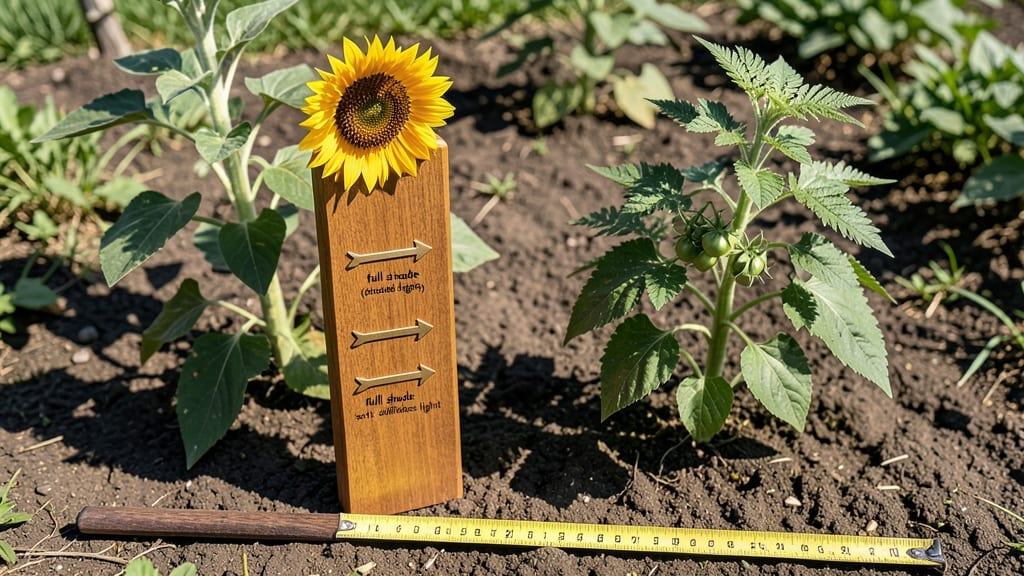
Determining how much sunlight a garden needs depends on plant type: most full-sun varieties thrive with 6-8+ hours of direct light daily, while partial-sun plants do well in 3-6 hours, and shade-loving species only need 2-3 hours. Seedlings benefit from gradual exposure—starting with 4-6 hours of indirect light helps prevent leaf burn as they mature.
Sunlight isn't just about total hours—it's also about intensity and timing. 🌞 For example, a tomato plant in a hot climate might need morning sun (6-8 hours) but afternoon shade to avoid wilting, while a hosta can handle dappled shade under trees.
I’ve seen firsthand how microclimates (like a south-facing wall) can create ideal spots for sun-loving plants even in shady yards. The key is observing your plants: yellowing leaves often signal too much sun, while leggy growth means they're stretching for more light.
Another critical factor is seasonal shifts. A lavender bush might handle full sun in summer but appreciate partial shade in winter when sunlight is weaker.
If you’re in a cooler climate, extending light exposure slightly (even to 8-10 hours) can boost flowering, while tropical plants may scorch in intense midday rays. The solution? Use shade cloth or reflective mulch to fine-tune conditions without moving plants.
💡 In This Article
- Sunlight Requirements by Plant Type: Full Sun vs Partial Shade vs Low Light
- Adjusting Garden Sunlight for Seasonal and Regional Success
Sunlight requirements by plant type: full sun vs partial shade vs low light
Sunlight drives photosynthesis, where plants convert light energy into chemical energy through chlorophyll. Full-sun plants like tomatoes and lavender need 6-8+ hours of direct light daily to maximize photosynthesis, producing 20-30% more energy than partial-sun varieties.
Their leaves are typically thicker and waxier to reflect excess heat, while shade-loving plants like ferns have thinner, lighter leaves that absorb lower light levels efficiently.
The difference lies in their light absorption thresholds: full-sun plants saturate at 1,000-1,500 µmol/m²/s of light intensity, while shade plants thrive at 200-500 µmol/m²/s.
Seedlings are particularly sensitive because their delicate cell structures can't handle intense light. Direct sun causes photooxidative stress, where excess light damages chlorophyll, leading to white or brown patches on leaves.
That’s why starting them with 4-6 hours of indirect light (like under a sheer curtain) helps them develop protective pigments gradually.
Mature plants, however, have thicker cuticles and deeper root systems to withstand full sun—think of a sunflower reaching 10+ feet tall with minimal leaf burn, compared to a hosta that wilts in prolonged direct exposure.
Partial-sun plants like impatiens or coleus strike a balance, thriving in 3-6 hours of morning or afternoon sun. Their leaves often show variegation (mixed colors) as an adaptation to handle fluctuating light.
For example, a hosta with blue-green foliage may scorch in full sun but flourish with 3 hours of dappled shade from a tree canopy. The trick is observing leaf color: deep green means adequate light, while pale or yellowing leaves signal insufficient intensity.
Low-light plants, such as caladiums or peace lilies, have evolved to thrive in 2-3 hours of filtered light or less. Their leaves often contain anthocyanins (pigments that give them red or purple hues), which help protect them from low-energy light.
In contrast, full-sun plants like roses produce more flavonoids, which enhance their resistance to pests and diseases. This chemical difference explains why a shade garden might look lush but lack vibrant blooms compared to a sunlit one.
Here’s how to test your garden’s light conditions: Place a white piece of paper in different spots for an hour. If it casts a sharp shadow, it’s full sun; if the shadow is fuzzy, it’s partial shade.
For seedlings, use a grow light set to 12-14 hours/day to mimic summer conditions indoors. The goal is to match the plant’s native habitat—mediterranean herbs (like rosemary) love full sun, while jungle plants (like ferns) prefer humidity and shade.
One common mistake is assuming "more sun is always better." Over-exposure can reduce flowering in plants like begonias, which prefer morning sun and afternoon shade. Similarly, leafy greens (spinach, lettuce) bolt (go to seed) faster in hot, direct light.
The solution? Use reflective mulch (like white gravel) to bounce extra light away or prune nearby trees to create microclimates with ideal light gradients.