
Plants
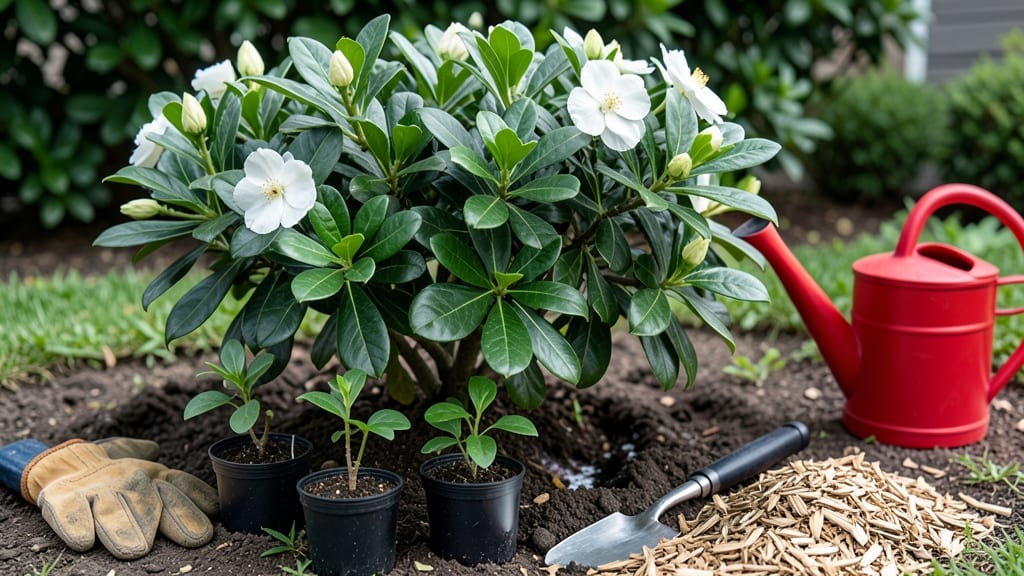
Planting gardenias in Georgia at the right time ensures those fragrant blooms thrive year after year, not just survive.
Georgia’s warm climate makes gardenias a dream for gardeners—but planting them at the wrong time can stunt growth or even kill the plant. Timing is everything for these fragrant favorites, especially in USDA Zone 7b, where heat and humidity play a starring role.
If you’ve ever watched a gardenia wilt under Georgia’s scorching summer sun or struggle to root in chilly spring soil, you know how critical the planting window is.
The difference between a lush, blooming shrub and a sad, struggling plant often comes down to when you put it in the ground.
Below, I’ll walk you through the best months for planting in Georgia’s Zone 7b, how to prep the soil for success, and why fall planting can be just as effective as spring—if you time it right.
Best planting months for gardenias in Georgia’s Zone 7b climate
Georgia’s Zone 7b climate offers a perfect window for planting gardenias, but timing matters more than you might think. These fragrant shrubs thrive when planted during cooler months, avoiding the brutal summer heat that can stress young roots.
Whether you're in Atlanta's Piedmont region or Savannah's coastal area, understanding your local frost dates and soil temperatures is key to success.
Gardenias are tropical-sensitive plants that prefer 60-70°F soil temperatures when planted. In Georgia, this typically aligns with early spring (February-April) or fall (September-October). Planting outside these windows risks transplant shock or heat stress, especially for container-grown plants that struggle to adapt to sudden temperature swings.
Atlanta's last frost date usually falls around mid-March, while Savannah's coastal microclimate enjoys 30-45 days longer frost-free growing season. This means coastal gardeners have more flexibility for late spring planting, but inland gardeners should prioritize fall planting for established root growth before winter.
🌱Pro Tip: Always check your specific local frost dates using the Georgia Climate Project or University of Georgia Extension resources, as microclimates can vary by just a few miles.
| Planting Window | Soil Temp Threshold | Atlanta Timing | Savannah Timing | Key Consideration |
|---|---|---|---|---|
| Early Spring (Feb-Mar) | 60-70°F | Feb 15 - Mar 15 | Feb 1 - Mar 30 | Avoid late frosts; mulch heavily |
| Late Spring (Apr) | 65-75°F | Apr 1-15 (risky) | Apr 1-30 (safer) | Provide afternoon shade; water daily |
| Fall (Sep-Oct) | 60-70°F | Sep 15 - Oct 15 | Sep 1 - Oct 15 | Best for root establishment before winter |
| Late Fall (Nov) | 55-65°F | Avoid (frost risk) | Nov 1-15 (coastal only) | Use frost cloth if temperatures drop |
For spring planting, aim to get gardenias in the ground 4-6 weeks before your last frost date. This gives roots time to establish before summer heat arrives.
In Atlanta's Zone 7b, this means mid-February to mid-March, while Savannah gardeners can extend planting until late March thanks to their milder climate.
Fall planting offers another excellent window because cooler temperatures reduce transplant shock. Plant gardenias 6-8 weeks before your first frost (typically mid-September to mid-October in Atlanta). The cooler soil and increased humidity create ideal conditions for root development before winter dormancy.
🌿Regional Tip: Coastal areas like Savannah and Brunswick have higher humidity and warmer winters, allowing for extended fall planting until early November. Inland areas should avoid planting after October 15 to prevent winter damage.
Gardenias hate soggy soil, so always plant in well-draining, acidic soil (pH 5.0-6.0). Amend your soil with peat moss or pine bark if your native soil is too alkaline.
After planting, water deeply but infrequently to encourage deep root growth, and apply 2-3 inches of mulch to retain moisture and regulate soil temperature.
✂️Remember: Container-grown gardenias need extra care when transplanting. Soak the root ball 1-2 hours before planting and trim any circled roots to prevent girdling. This small step can double your plant's survival rate during Georgia's intense summers.
How to prepare gardenia plants for Georgia’s hot summers
Georgia’s summer heat can be brutal on gardenias, especially during July and August when temperatures often exceed 90°F (32°C). Without proper preparation, your fragrant shrubs may suffer from transplant shock, leaf scorch, or even dieback.
The key to success lies in pre-planting care and ongoing maintenance tailored to Zone 7b’s climate.
I’ve learned from years of growing gardenias in Georgia that mulching, watering discipline, and shade protection are non-negotiable. Even the hardiest varieties need extra TLC when the mercury rises. Let’s break down how to shield your gardenias from summer stress while keeping them thriving.
⚠️ Critical Summer Prep Mistake
Many gardeners overwater during heatwaves, thinking more moisture equals better survival. But waterlogged roots in poorly draining soil can suffocate gardenias faster than drought. Always check soil moisture 2 inches deep—if it’s damp, wait before watering again.
Start by amending your soil with organic matter like compost or peat moss to improve drainage. Gardenias thrive in acidic soil (pH 5.0-6.0), so test your soil and adjust with sulfur or pine bark fines if needed.
I’ve seen gardenias in synthetic soil mixes struggle more than those in natural, organic amendments—the microbial life makes all the difference.
When transplanting, water deeply the day before moving your gardenia to reduce transplant shock. Dig a hole twice as wide as the root ball but only as deep—burying too deeply can strangle the plant.
After planting, water thoroughly and apply a 2-3 inch layer of mulch around the base (but not touching the trunk) to retain moisture and regulate soil temperature.
During peak heat, gardenias need daily watering in the morning—aim for 1-2 gallons per plant—to prevent wilting. I’ve found that drip irrigation or soaker hoses work best, as they deliver water directly to the roots without wetting the leaves (which can promote fungal diseases).
If you’re using a hose, water slowly to avoid runoff, and always water at the base of the plant, not overhead.
Shade is another game-changer in Georgia’s summers. While gardenias love morning sun, they’ll appreciate afternoon shade during the hottest months. If your gardenia is in full sun, consider installing shade cloth (30-50%) or planting nearby trees with dappled shade, like crepe myrtles or crape myrtles.
I’ve seen gardenias under partial shade bloom more prolifically and with fewer browned leaves.
Finally, fertilize lightly during summer—too much nitrogen can stress the plant. Switch to a low-nitrogen, high-phosphorus fertilizer (like 5-10-10) to encourage blooming, and avoid fertilizing in extreme heat (above 95°F/35°C). Prune only dead or damaged branches in summer; save major pruning for late winter or early spring.